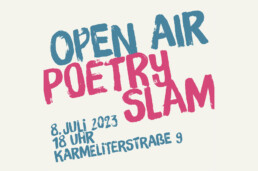
Tangible delicate – Vernissage with Poetry Slam
A world full of poetry
The Diocesan Museum’s garden and exhibition spaces will be the scene of bold contrasts and surprising encounters this summer. From fragile glass bubbles clinging to rough alabaster surfaces to bronze figures radiating gentle delicacy – in the works of Susanne Roewer, the most diverse, seemingly incompatible materials come together to form a poetic unity. The exhibition Tangible delicate (8 July – 14 October 2023) in Rottenburg shows sculptures and installations by the Berlin sculptress that defy the rules of gravity and enchant the viewer with their grace and powerful fragility.
We cordially invite you to the opening of the exhibition with a poetry slam on Saturday, 8 July, 6 pm!
Poetry slam is performed stage literature. Different poets from all over Germany will meet in the garden of the museum and seminary. A firework of poetry and prose, sometimes performed loudly, sometimes quietly. And as always, the audience decides who wins the evening.
The evening will be moderated by Asli Kücük, Landestheater Tübingen, and Wehwalt Koslovski, poetry slam pioneer and world champion. Since 1994, Koslovski has performed over 2500 times on stages in Europe, the USA and Japan. He lives and works as a freelance stage poet, reciter, literary organiser, lecture traveller, speech & language coach and art teacher in Berlin.

Hocus pocus – the magical misunderstanding
Hocus pocus fidibus – who doesn’t know this magic spell! Where does this phrase actually come from and does it really have anything to do with witchcraft? Matthias Raidt goes on a magical journey through a jungle of interpretations in the new episode “Crucifix – Fascination & Facts”.
Jeez Martin!
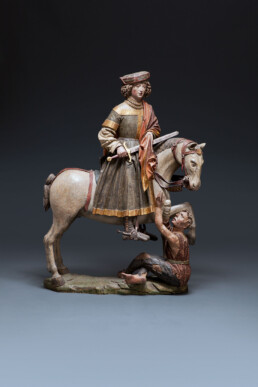
Everyone knows him! St. Martin, who shared his coat with a beggar. But who was this Martin anyway? Let’s roll up the whole story again.
Beflügelt durch den Advent
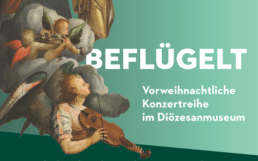
Mit einem Rendezvous von Kunst und Musik lassen sich auch die letzten schmuddeligen Novembertage erhellen: Am Wochenende beginnt unsere vorweihnachtliche Konzertreihe „Beflügelt“, die Sie bis in die Adventszeit begleiten wird.
Inmitten unserer Schausammlung erklingen die Werke alter Meister in neuem Licht. Das erste Konzert am Samstag, 25.11., ist Johann Sebastian Bach gewidmet. Die japanische Pianistin Shoko Hayashizaki entführt auf eine Reise durch das „Italienische Konzert“ und andere zeitlose und beliebte Klavierwerke Bachs wie die „Französischen Suiten“, „Chromatische Fantasie“ und „Fuge BWV 903“.
Am Totensonntag, 26.11., interpretiert das Klavierduo Hayashizaki-Hagemann Johannes Brahms’ „Ein deutsches Requiem“ in einer bewegenden Fassung für vier Hände.
Die „Winterreise“, Franz Schuberts berühmtester Liedzyklus, entfaltet am Sonntag, 3.12., seine berückende Wirkung in einer außergewöhnlichen Fassung von Gregor Meyer. Das Klangfarbenspektrum der herausragenden Solisten Johannes Held (Bariton) und Kerstin Mörk (Klavier) wird durch den Kammerchor Stuttgart Vokal unter der Leitung von Karin Oehler erweitert.
Mit dem Akkordeonisten Nepomuk Golding findet die Konzertserie einen stimmungsvollen Abschluss. Sein virtuoses Spiel präsentiert am Samstag, 9.12., Werke zeitgenössischer Komponist:innen und macht alte Werke neu erlebbar.
Am gleichen Tag, um 15 Uhr, findet außerdem ein besonderes Ereignis statt: Ein weihnachtliches Mitmach-Konzert, organisiert in Kooperation mit der Musikschule Rottenburg, verspricht einen inspirierenden Nachmittag für die jüngsten Musikliebhaber:innen.
Alle Konzerte finden von 17 bis 18 Uhr statt, das Kinderkonzert beginnt um 15 Uhr. Der Eintritt zu den Konzerten beträgt 10 Euro, das Kinderkonzert ist kostenfrei.

Radiance – Vernissage & Concert
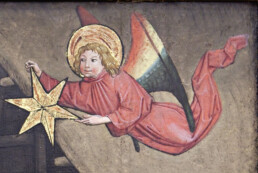
Saturday is the day – we open our Christmas exhibition "Radiance"!
26 selected works from our permanent collection show the diverse meanings and functions of light in the sacred and in art.
In addition to late medieval paintings, sculptures and Baroque goldsmith’s work, ten contemporary works are also on display, which broaden the view of light to the present day.
On the occasion of the opening on 3 December, five of the six exhibiting artists will be present in the museum.
On the weekend, there will be art not only for the eyes but also for the ears: the public vernissage begins at 6 pm with an Advent concert.
Soprano Gundrun Kohlruss and Andreas Kersten on the piano will put us in the mood for Christmas with works by Handel, Mendelssohn, Bartholdy and Mozart.
Admission is free and refreshments will be provided. We look forward to seeing you!
Date: 3 December 2022, 6:00-8:00 p.m.
Place: Diocesan Museum Rottenburg, Karmeliterstr. 9, 72018 Rottenburg am Neckar
with: Gundrun Kohlruss (soprano), Andreas Kersten (piano)
Price: free of charge
Further information can be found here:
https://dioezesanmuseum-rottenburg.de/en/ausstellung/radiance/
"God’s light power"
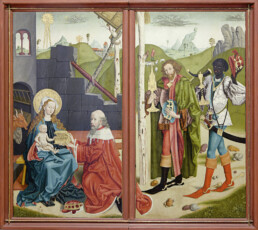
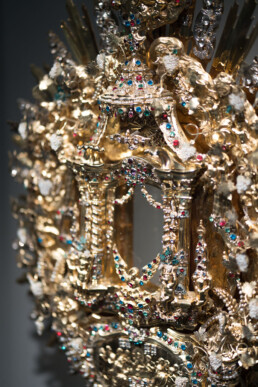
We cordially invite you to the guest lecture by Prof. Dr Stephan Winter (Chair of Liturgical Studies, University of Tübingen) on Wednesday, 14 December 2022 at 6 pm.
Light and Christmas – for us they belong together. Even from their origins, the two great festivals of the Christmas cycle – the Nativity (25 December) and the Epiphany (6 January) – are characterised by the interpretation of cosmological light phenomena. But how do these impressive metaphors of light relate to the socio-cultural contexts in which they are embedded? In this exciting lecture, selected testimonies from the Roman liturgical tradition of the Christmas season will be brought into dialogue with the artworks in the special exhibition “Radiance“.
A public guided tour of the exhibition will also take place on the same day from 5 to 6 pm.
Date: 14 December 2022, 18:00-19:00
Location: Diocesan Museum Rottenburg, Karmeliterstr. 9, 72018 Rottenburg am Neckar, Germany
with: Prof. Dr. Stephan Winter, Chair of Liturgical Studies, Faculty of Catholic Theology (University of Tübingen)
Price: 5 Euro
Registration: https://dioezesanmuseum-rottenburg.de/ausstellung/strahlkraft/ or phone: 07472/922-180. Of course, we also welcome all spontaneous visitors!
Photo © Eric James McDermott
"Built from light"
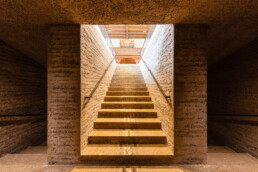
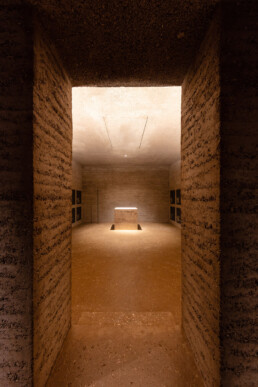
Panel discussion on the significance of light in (sacred) architecture and urban development | Radiance
Light plays an overriding role in almost all world religions and creates a sacred atmosphere in places of worship, temples and churches. While the architectural style is constantly changing, the reference to light remains. What is applied in sacred buildings also applies outside religion: light contributes decisively to the spatial effect and is an essential element of historical and contemporary architecture. In the panel discussion, the multi-layered use of light in space will be explored – also with regard to the current energy crisis and the need to conserve resources.
Date: 26 January 2023, 6:00-19:30 p.m.
Venue: Diözesanmuseum Rottenburg, Karmeliterstr. 9, 72018 Rottenburg am Neckar, Germany
Panelists:
Andreas Danler (Bartenbach GmbH, Tyrol)
Diocesan Master Builder Dr. Thomas Schwieren (Diocese of Rottenburg-Stuttgart)
Chair of the discussion:
Dr.in Melanie Prange (Head of the Diözesanmuseum Rottenburg).
Price: 5 euros
© Diocesan Museum, Photo: Kai Loges
Licht – das (un)ergründliche Phänomen
Licht – das (un)ergründliche Phänomen
Am Sonntag, 12. Februar 2023 um 15.00 Uhr, findet im Diözesanmuseum ein Podiumsgespräch zum Thema „Licht – das (un)ergründliche Phänomen“ statt.
Licht ist die Aktion des Weltalls. So schreibt der Dichter Novalis gegen Ende des 18. Jahrhunderts in einem Fragment zur Lichtlehre. Physik und Theologie vertreten zwei voneinander sehr unterschiedliche Perspektiven auf das Thema Licht – und dennoch spielt das Phänomen in beiden Gebieten eine überragende Rolle. Im Licht werden Weltinhalte überhaupt erstwahrnehmbar und durch das Licht Gotteserfahrungen beschreibbar. Im lockeren Gespräch tauschen sich zwei Wissenschaftler über die zentrale Bedeutung von Licht aus der Sicht der jeweiligen Disziplinen aus.
Am Gespräch nehmen teil:
Prof. Dr. Claus Zimmermann (Eberhard-Karls-Universität Tübingen / Physikalisches Institut (PIT), Arbeitsbereich Atomphysik und Quantenoptik)
Prof. Dr. Johannes Brachtendorf (Eberhard-Karls-Universität Tübingen / Katholisch-Theologische Fakultät, Lehrstuhl für Philosophische Grundfragen der Theologie)
Anmeldung & weitere Infos unter:
Diözesanmuseum Rottenburg,
Email: museum@bo.drs.de oder Telefon: 07472/922-182.
Eine Anmeldung ist nicht erforderlich aber erwünscht.
Place without intention
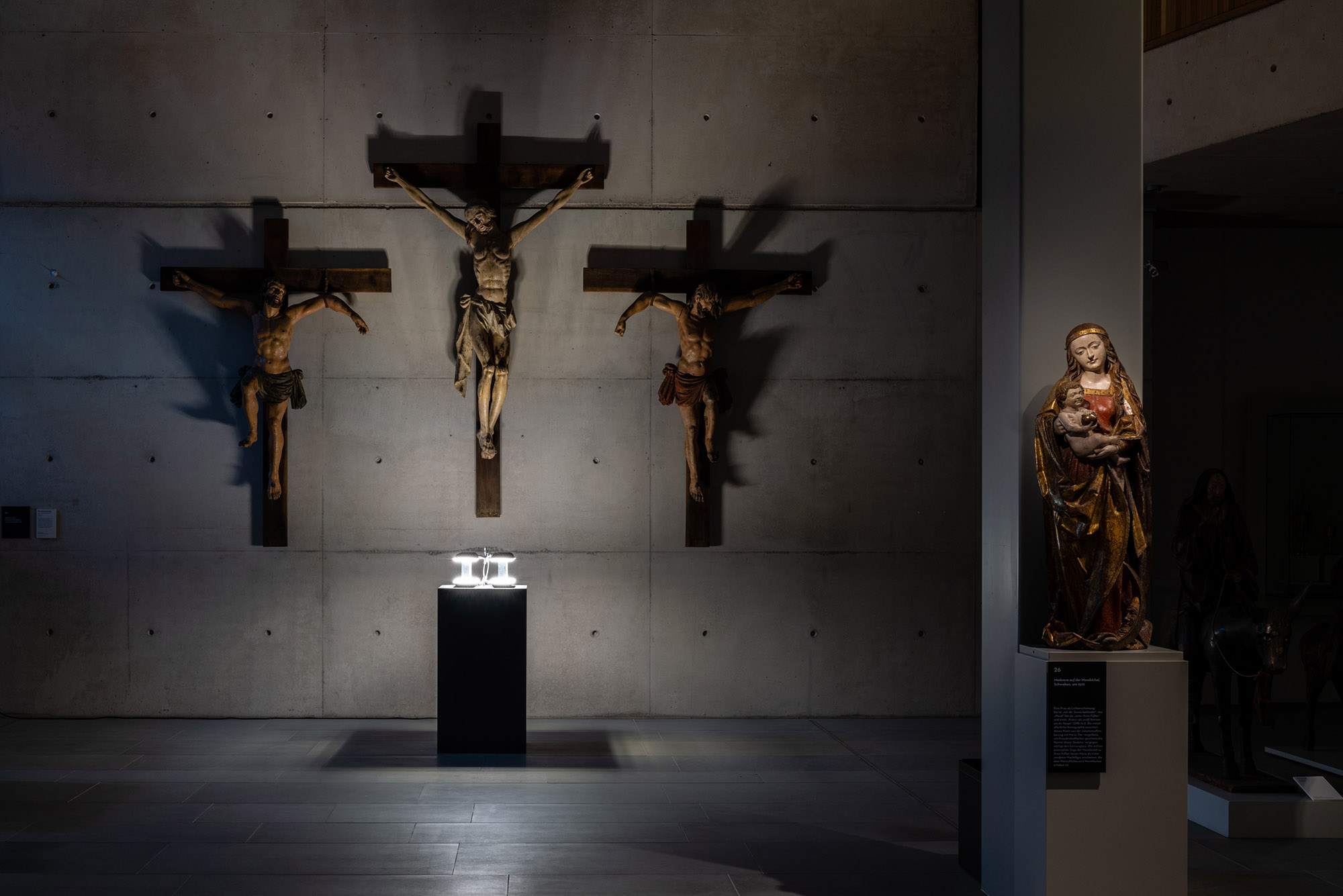
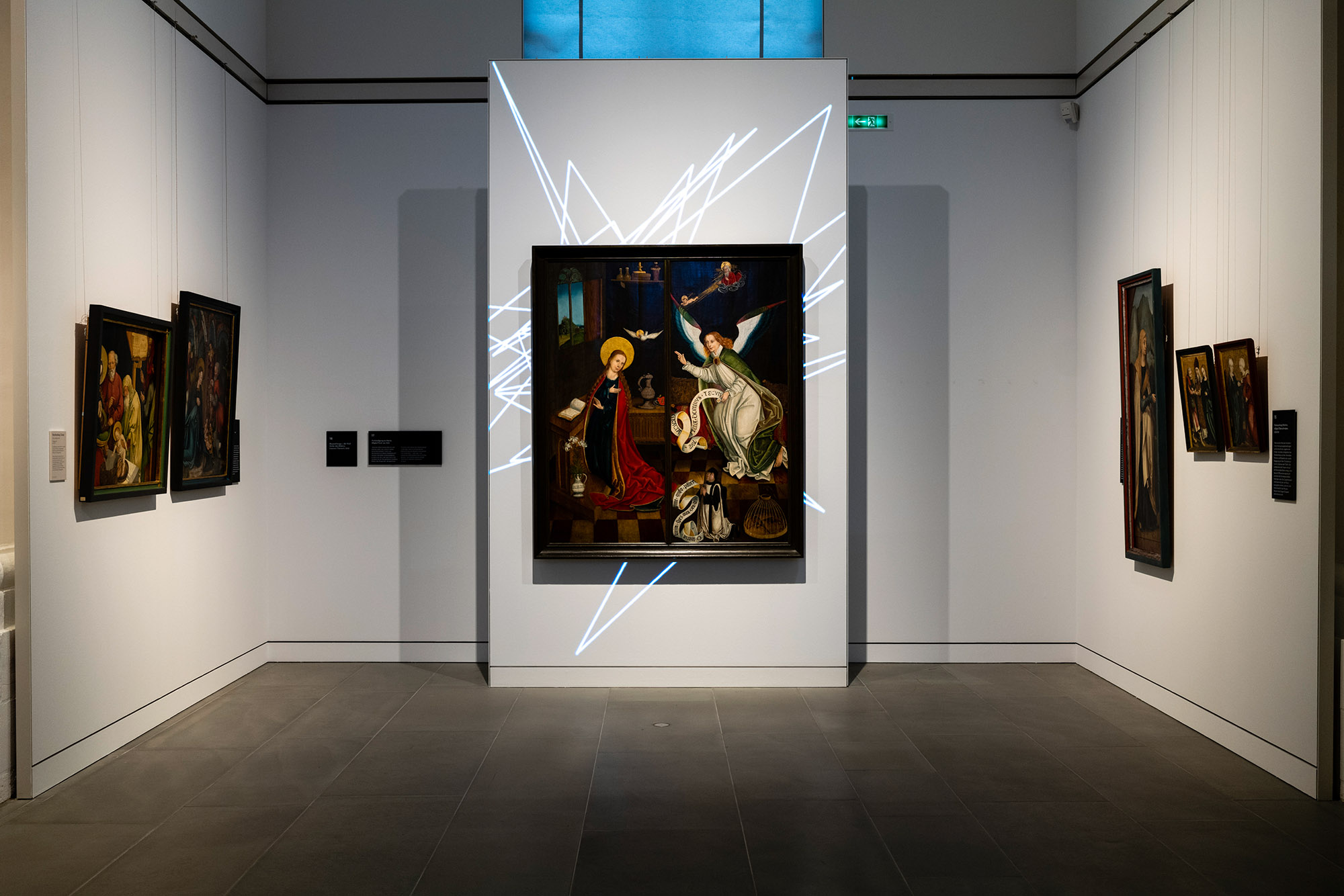
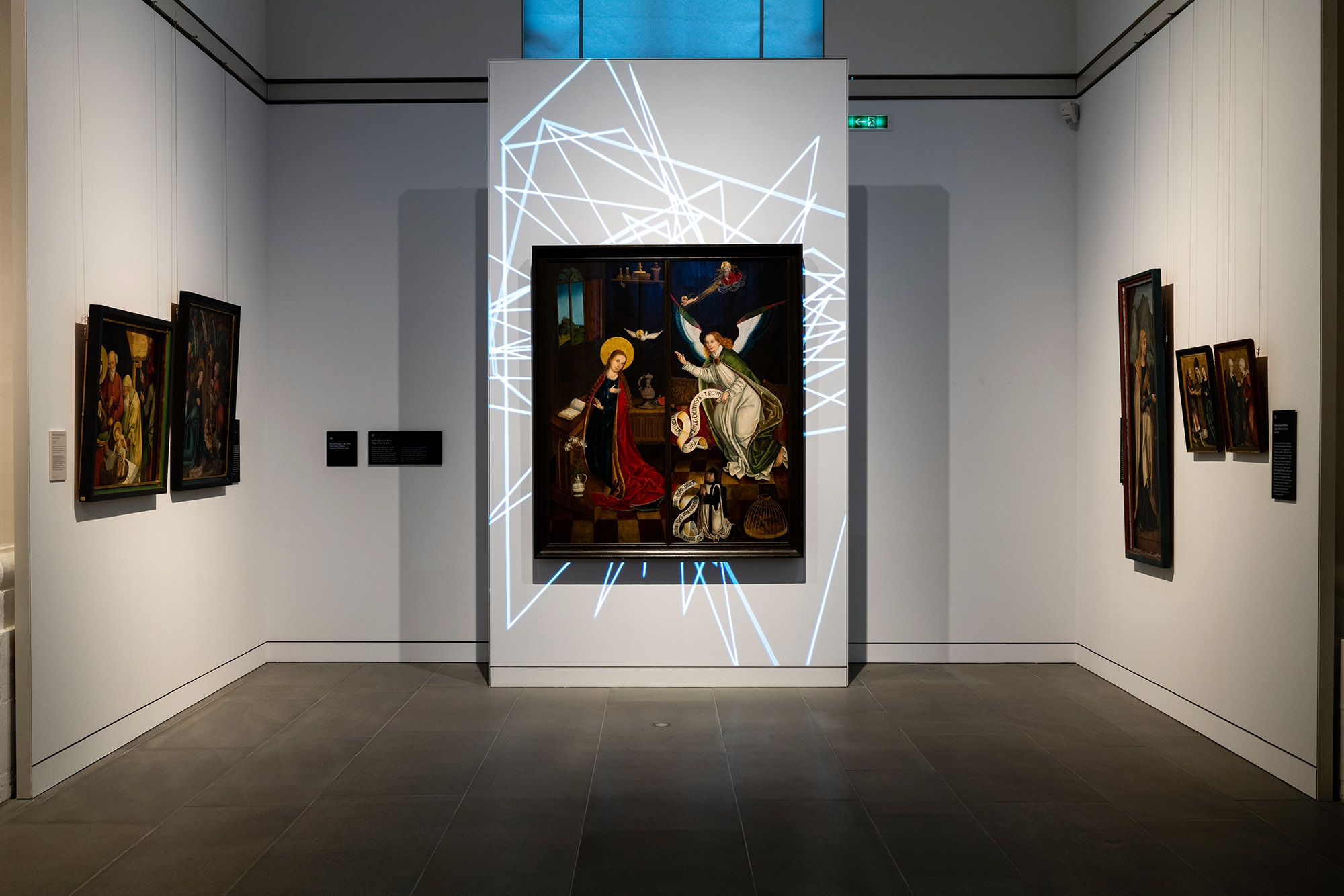
Place without intention – light-sound concert in the museum
On Saturday, 4 February, 7 p.m., you can experience an extraordinary light art concert at the museum.
Being able to improvise requires – in addition to a very good knowledge of one’s own instrument – a high level of attention, sensitive reactions and a playful interest in the as yet undetermined.
The artistic challenge of the uncertain unites the light artist Kurt Laurenz Theinert and the musician and accordionist Anja Kreysing.
In dialogue with the museum space, the two artists improvise together – Kurt Laurenz Theinert with light and Anja Kreysing with sounds. They create fascinating audio-visual impressions that take the guests into a world they have not yet perceived.
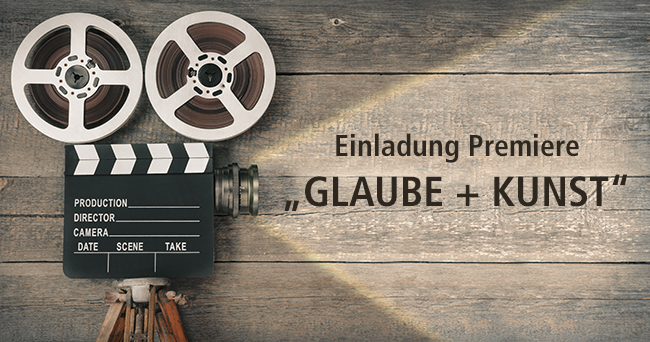
Premiere: "Faith + Art"
Film premiere "FAITH + ART"
Dear Ladies and Gentlemen,
I cordially invite you to the premiere of the documentary film “GLAUBE+KUNST” and look forward to diving into the reciprocity of faith and art together with you and to exploring the question of whether “religious art” is still possible at all today.
Your Bishop Dr Gebhard Fürst
Venue: EM cinema – city centre cinemas, Bolzstraße 4, 70173 Stuttgart, Germany
Date: 24 March 2023
Admission from 6.00 p.m., start 6.30 p.m.
Summary
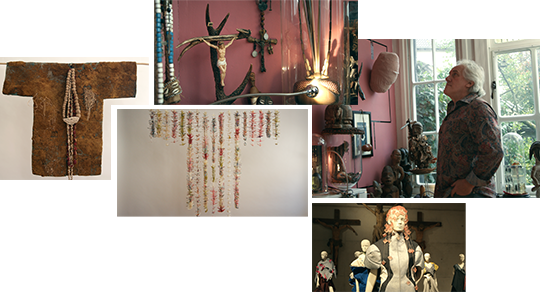
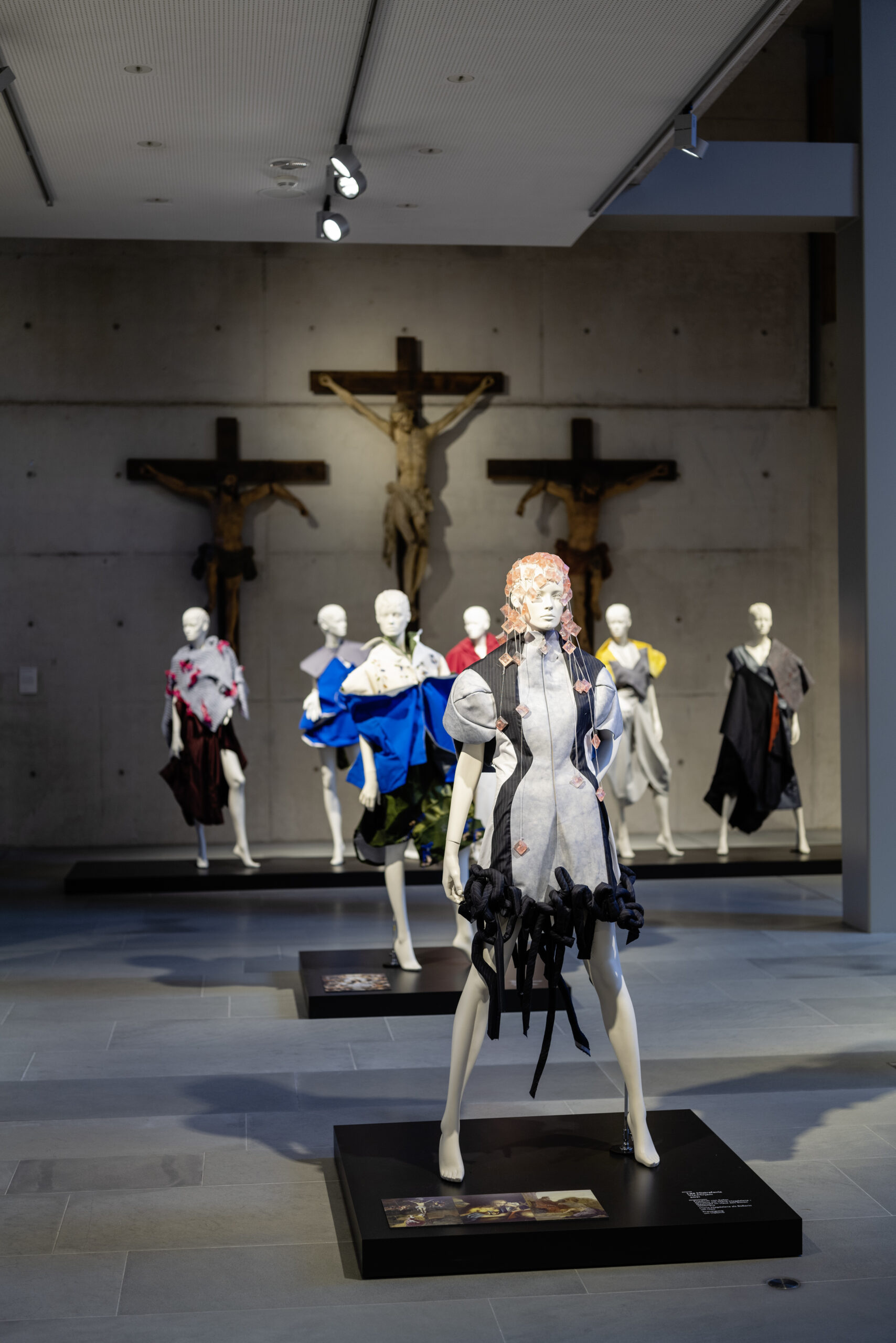
The multifaceted interplay between faith and art is the subject of this documentary: How transcendent is art? How much aesthetics does faith require? Is “religious art” still possible at all, and if so, how?
Faith + Art approaches these questions with works from different epochs of art history – from the late Middle Ages to the present. In the process, it becomes apparent that there is a continuity of themes across the centuries. The fragility of human existence is a fundamental experience that inspires artists to this day. It is reflected in Matthias Grünewald’s Isenheim Altar, which was created more than 500 years ago, as well as in Joseph Beuys’ installation Zeige Deine Wunde (Show Your Wound) from 1976.
What is the common ground? What separates them?
In addition, the film visits artists in their studios and interviews them about their work and their motivation to deal with questions of faith in art.
Documentary: 45 minutes
Director: Dominik Wessely
The screening will be followed by a short discussion with director Dominik Wessely and Bishop Dr. Gebhard Fürst.
Registration at: https://www.kbw-stuttgart.de/veranstaltungen/240323-glaube-kunst/