Creation Myths | Concert with Dance
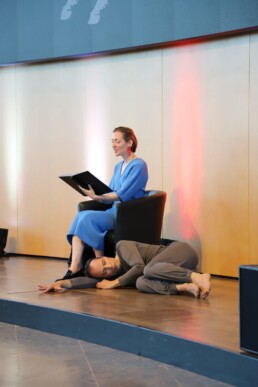
On Sunday, 14 May at 5 pm, the Diözesanmuseum invites you to experience creation myths in text, word and dance. The creation myths of the great world religions as well as the creation texts from the Kabbalah, contemporary literature and the natural sciences tell of the beginnings of human life. The life dancer Felix Grützner transforms these texts into movement, accompanied on the piano by Patrick Bebelaar. The linguistic framework is provided by the spoken word artist Jule Hölzgen (Academy for the Spoken Word https://gesprochenes-wort.de/ ).

In the name of the rose - until death
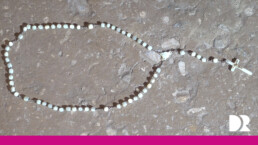
Excavations have uncovered graves from the 17th/18th century. Also contained therein: Rosaries. Matthias Raidt explains these finds in his own and very interesting way.
The video is part of the series Treasures from the Sülchen Church.
The Forgotten Code
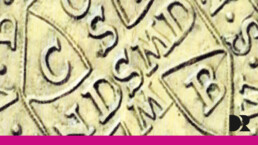
A fiery dragon in Sülchen? Matthias Raidt has three hours to decipher a code or the dragon will be awakened. Will he succeed?
The video is part of the series Treasures from the Sülchen Church.
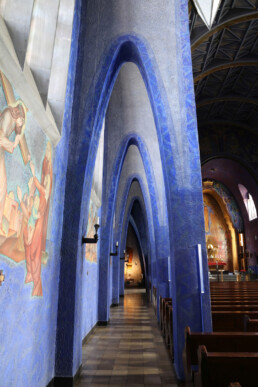
Mariä Himmelfahrt: Durch tiefblaue Sphären in lichtgoldene Höhen
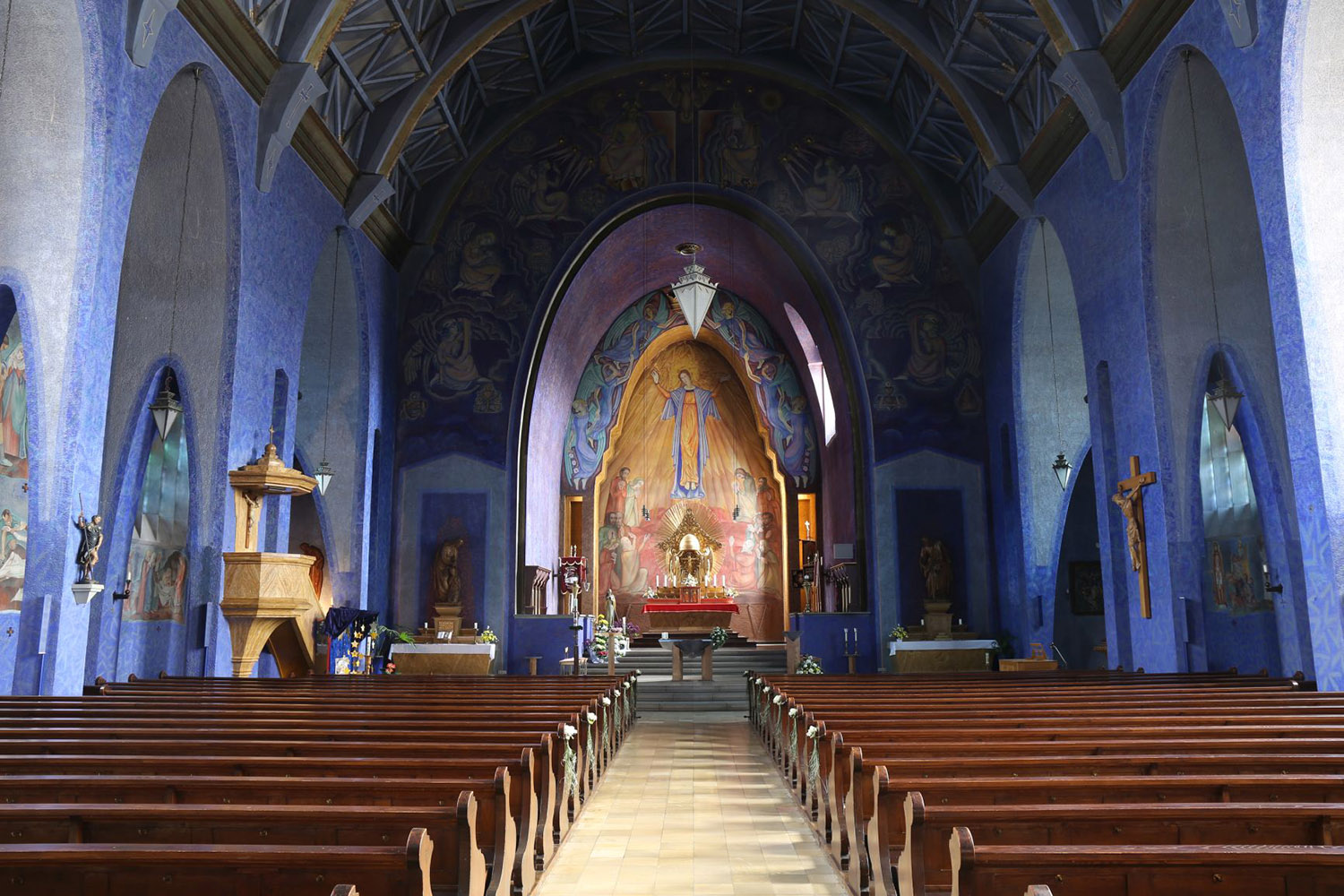
Die 1927 geweihte Kirche Mariä Himmelfahrt in Baienfurt bei Weingarten stellt als expressionistischer Sakralbau an sich bereits eine Besonderheit dar: Inmitten der barocken Kirchenlandschaft Oberschwabens gelegen, mutet sie geradezu exotisch an. Während der Außenbau sich zurückhaltend gibt, taucht der fremde Besucher, sobald er das Kirchenschiff betritt, in eine ungewöhnliche und überwältigende Welt ein. Es herrscht ringsum ein dunkles nuancenreiches Blau, das zudem je nach Lichteinfall und Tageszeit ihn als Ultramarinblau, Blaugrün oder Blauviolett umhüllt und verzaubert. Und so bezeichnet die einheimische Bevölkerung ihre Pfarrkirche auch stolz als „unsere blaue Grotte“.
Grundriss
Der Grundriss zeigt einen in Westostrichtung angelegten rechteckigen dreischiffigen Längsbau, ein lediglich angedeutetes Querschiff und einen leicht vorspringenden Vorbau im Westen. Der schmale eingezogene Chor mit quadratischer Grundfläche im Osten wird seitlich von Baukörpern mit ebenfalls quadratischer jedoch kleinerer Grundfläche gerahmt: Im Norden der Turm und im Süden die Sakristei.
Außenbau
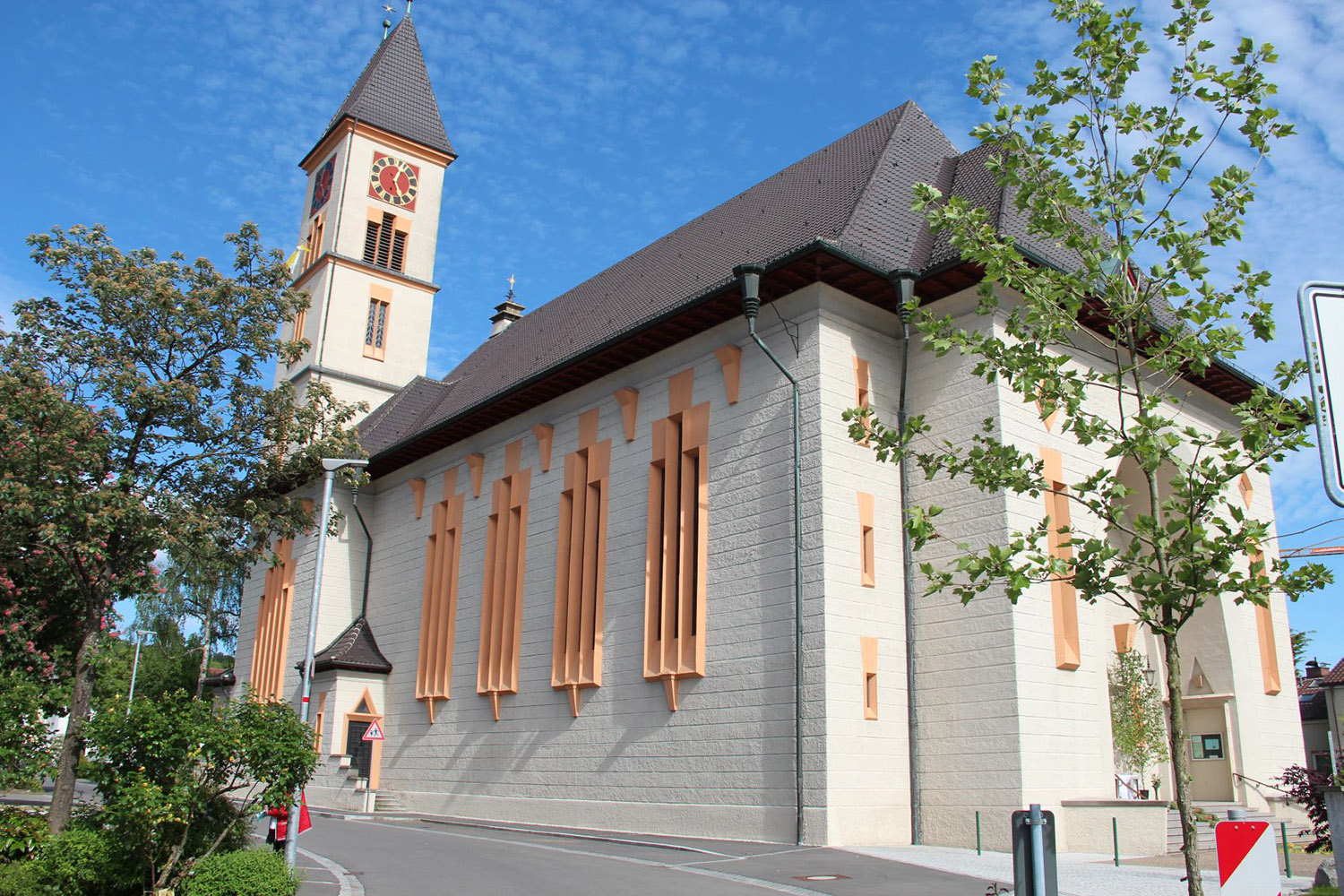
An dem gestaffelt gegliederten Baukörper mit hoher ebenfalls abgestufter dreiseitiger Walmbedachung fällt zunächst die Westfassade mit ihrer monumentalen in Parabelform überwölbten Nische auf. Die Fenster betonen mit ihrer extremen Schmalheit die Vertikale. An der Nord- und Südfassade sind sie zu gestaffelten Dreiergruppen zusammengefügt. Die in rötlichem Ocker gefasste Rahmung aller Fenster mit ihren überlängten Laibungen und Stürzen kontrastieren zum hellen Rauhputz und dessen horizontalen Ritzfugen.
Innenraum
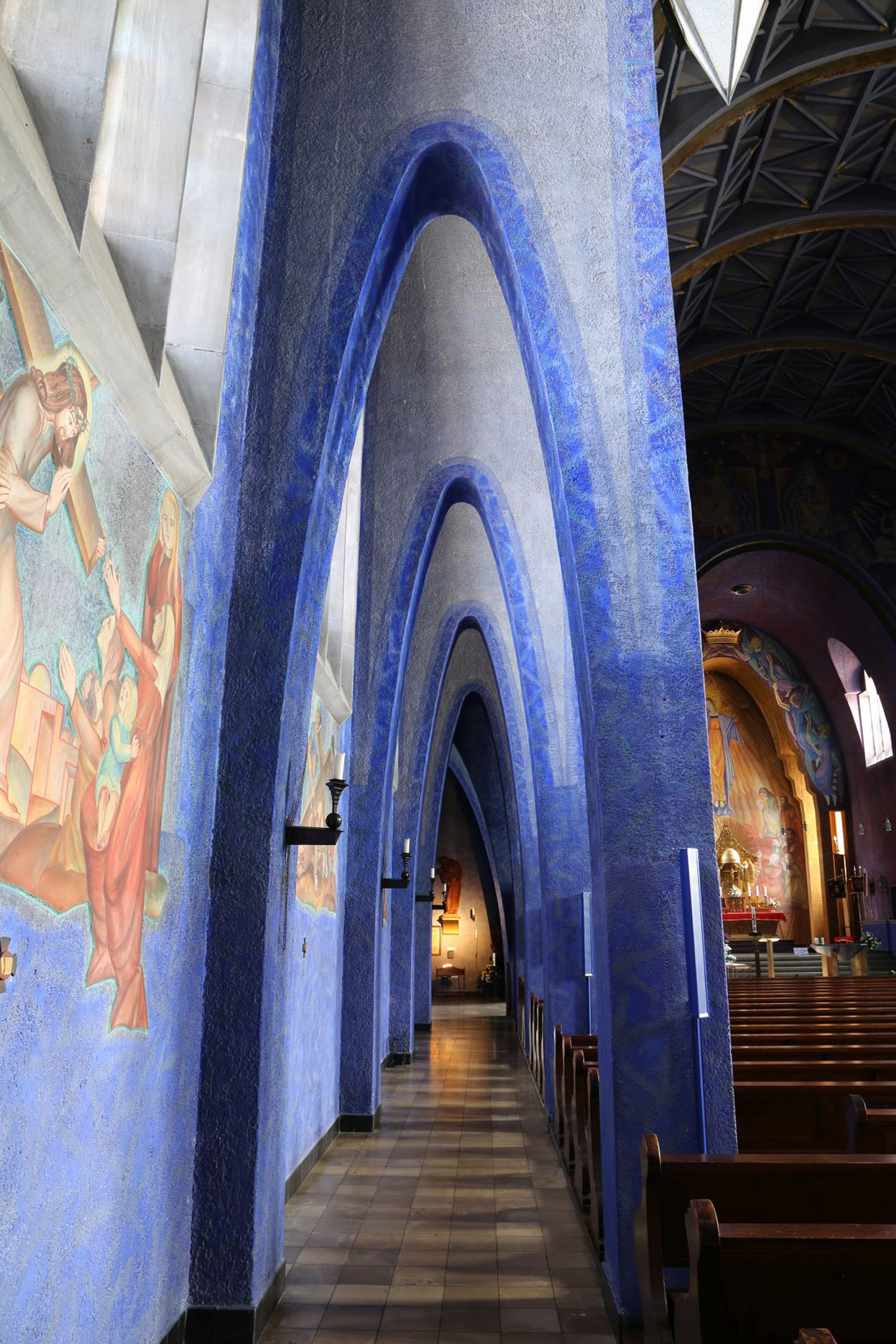
Dem schmalen Eingangsraum und dessen Nebenräumen, über die sich die Empore erstreckt, folgt der breite und hohe Gemeinderaum. Jeweils fünf Parabelbögen ruhen auf gestreckten Konsolen und verbinden das Hauptschiff mit den Seitenschiffen. Diese sind so schmal, dass sie lediglich Umgangscharakter haben. Das Gewölbe des Hauptschiffes erinnert an spätgotische Netzgewölbe: Es gliedert sich in seiner Längsachse in vierzehn gefaltete und mit Stabwerk besetzte Flächenbahnen, die von den Gurtbogengesimsen rhythmisch in Teilstücke getrennt sind.
Den um sieben Stufen erhöhten Chorraum trennt wiederum ein parabelförmiger Triumphbogen vom Gemeinderaum. Dieser Bogen wiederholt sich in mehrfacher Abstufung an der Chorabschlusswand, einen Baldachin assoziierend.
Innenraum bestimmende Momente sind Farbgebung und Lichtführung. Im Chorraum fällt, für die Besucher nicht sichtbar, Licht durch die südlichen Chorwandfenster ein.
Die farbliche Gestaltung der Wandflächen ist in doppelter Hinsicht alles andere als eintönig: Die blaue Farbe hellt sich in den Seitennischen, an der Empore und im Bereich der Seitenaltäre zu Grau auf und geht im Chor zu Blau-Violett über. Und der Farbauftrag ist nicht gleichmäßig, sondern mit andersfarbigen Winkelformen bewusst fleckig und diffus gestaltet.
Liturgie und Raum: Zur Ausstattung
Die farbige Wandgestaltung in Blautönen, das Fresko der Chorabschlusswand, die Kreuzwegdarstellungen sowie die Entwürfe für die Glasfenster schuf der Maler Alois Schenk. Blau verweist auf Maria, die Titelheilige der Kirche. Das Gemälde über dem Hauptaltar ist eine Bildsynthese von Mariä Himmelfahrt und Marienkrönung: Hier lichtet sich das ferne Blau, Maria wird von goldgelben Sphären umflutet.
Sowohl die architektonische Formgestaltung mit der Betonung der breiten, die Gläubigen zur Gänze aufnehmenden, und auf den Hochaltar von 1927 ausgerichteten Längsachse als auch das die Ostwand füllende monumentale Gemälde sind Ausdruck damaliger Frömmigkeit und eines gewandelten Gemeindeverständnisses: Die Kirche solle sowohl als Gemeinschaft als auch als Bauwerk ganz auf Christus den König bzw. im Falle der Marienkirchen auf Maria als Königin konzentriert sein.
Die 1999 vom Künstler Joachim Sauter eingefügte Altarinsel mit Ambo und Zelebrationsaltar greift diesen Gedanken auf. Der Altar wurde in Anlehnung an die kristallinen Lampenformen und an das intensive Blau der umgebenden Wände aus dunkelblauem Quarzit gestaltet.
Der Kreuzweg, den Alois Schenk zur Gänze erst 1934 vollenden konnte, zeigt kantige und herbe Gestalten mit gebrochenen und verzerrten Formen. Die rahmenlose Wandmalerei an den Seitenschiffwänden sprengt den Raum.
Architekt
Der Architekt A. Otto Linder (1891-1976) schuf nach dem Ersten Weltkrieg insbesondere im Bistum Rottenburg-Stuttgart Kirchen, die ein neues Liturgieverständnis verkörpern sollten: Im Gemeinderaum rückte er die Stützen nach außen und setzte den erhöhten Chor deutlich davon ab, damit Altar und Kanzel von allen gut eingesehen werden konnten. Nachdem Linder erste Erfahrungen im Kirchenbau unter anderem in Gosbach und Mühlacker gesammelt hatte, konnte er diesen Ansatz in Baienfurt erstmals konsequent umsetzen. Das hier prägende Motiv der Parabel findet sich in seinem Werk z. B. auch bei der Heilig-Kreuz-Kirche (1927) in Kuchen bei Geislingen, bei Mariä Himmelfahrt (1929) in Klein-Süßen bei Göppingen und bei der Taborkirche (1931) in Freudenstadt.
Kirchenmaler
Dem Maler Alois Schenk (1888–1949) hatte das Handwerk der Dekorationsmalerei erlernt, daneben besuchte er Abendkurse an der Stuttgarter Kunstakademie. Seine dortigen Lehrer Christoph Landenberger, Adolf Hölzl und Friedrich von Keller waren allesamt Vertreter des Expressionismus. Besonders herausragend ist sein Kreuzweg in Röhlingen von 1919–1922.
Fazit
Die ausdrucksvolle Architektur mit ihrer Lichtführung und die malerische Gestaltung machen die Kirche einzigartig. Architektur, Malerei und Ausstattung sind bis ins Detail aufeinander abgestimmt und steigern sich gegenseitig in ihrer expressionistischen Wirkung zu einem Gesamtkunstwerk.
Dr. Iris Dostal-Melchinger
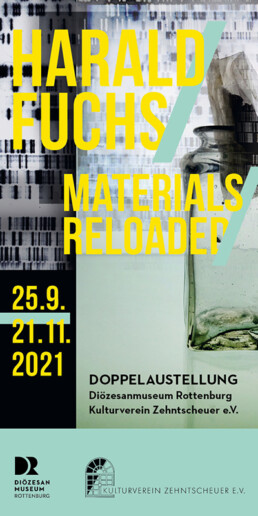
Invitation to the vernissage
A warm invitation to the vernissage of the exhibition “Materials Reloaded” by Harald Fuchs!
Christof L. Diedrichs: Relics – a cultural-historical approach
Dieter Luz: Harald Fuchs – friend and companion
This evening introduces the double exhibition “Materials Reloaded” in the Diözesanmuseum Rottenburg and in the Zehntscheuer Rottenburg. The event begins in the Diözesanmuseum, later the Zehntscheuer will also be open. The artist will be present. Registration is required, preferably right here below.
Treasures from the Sülchen Church - video series
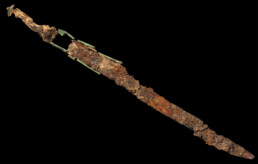
In the video series „Treasures from the Sülchen Church“, theologian and archaeologist Matthias Raidt takes visitors on impressive journeys into the Middle Ages and presents excavation finds from the area of the Sülchen church near Rottenburg, a unique place in southern Germany that has been used continuously as a burial site since the 6th century.
Look forward to exciting discoveries and stories!
Segreti accenti
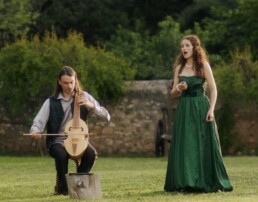
Summer concert at the Diocesan Museum in cooperation with the Rottenburg Music SchoolSunday, 24 July 2020, 7 pm
Segreti accenti
Italian and Spanish music from the Renaissance and early Baroque periods
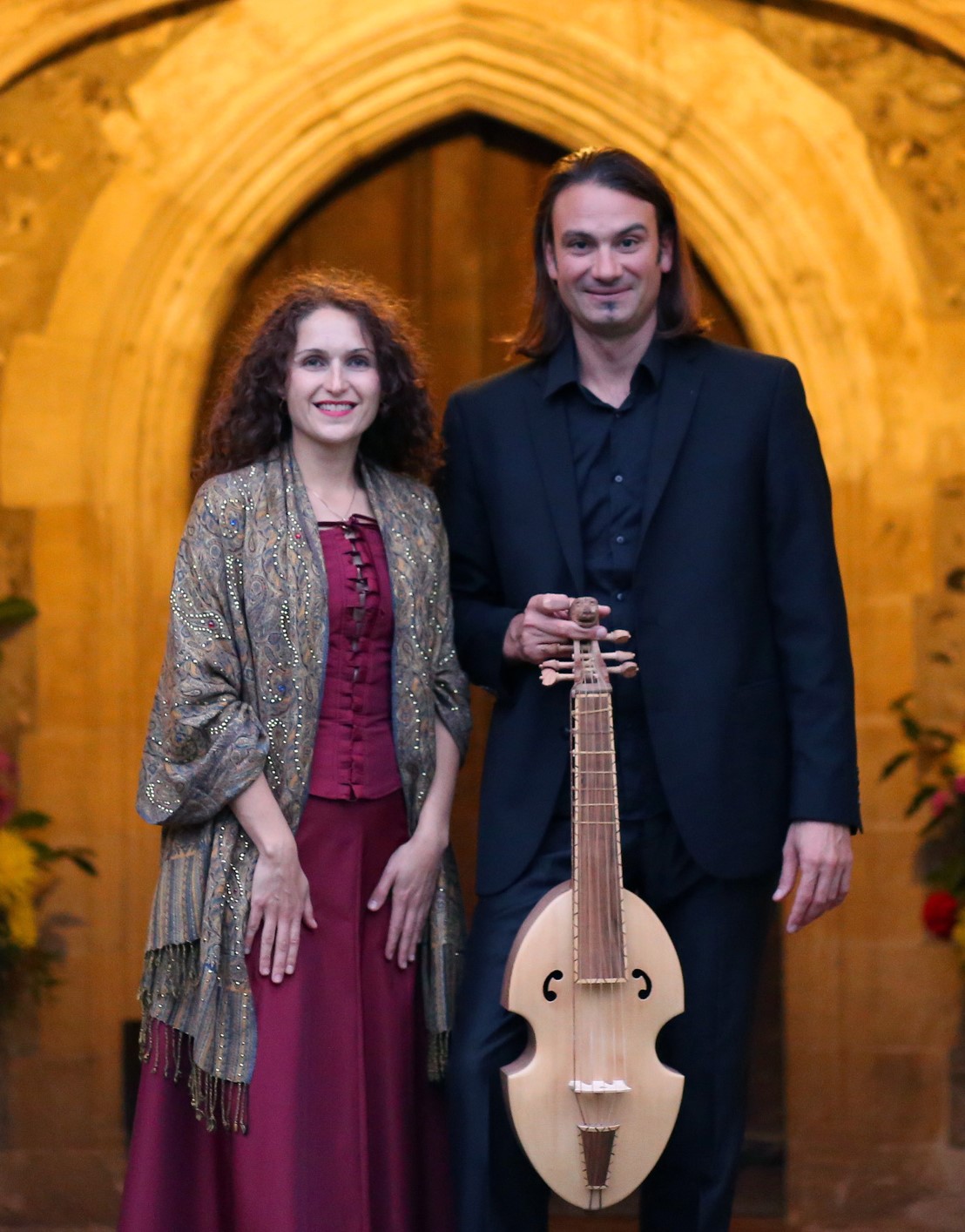
Duo Cantar alla Viola
Nadine Balbeisi, voice
Fernando Marín, viola da gamba
Towards the end of the 16th century, a new type of vocal music emerged in Italian art music alongside the polyphony that had prevailed until then: solo singing accompanied by one or more instruments. At the princely court of Ferrara, this style was called musica segreta because of its exciting novelty and exclusivity. Polyphonic pieces were often subsequently adapted for monodic performance, such as the three-part villanelles by Luca Marenzio or the three- to four-part tonos humanos by Juan Blas de Castro, which are heard in concert. The members of the ensemble Concerto delle Donne, made up of ladies of the court, were challenged by the new trend to develop their singing technique to the point of virtuosity; in doing so, they encouraged other female singers to venture into professional careers for the first time in music history. Their concerts also inspired composers such as Giulio Caccini in Florence, who is considered the founder of opera. His two daughters Francesca and Settimia were not only successful singers but also became known as composers. Francesca wrote several operas, one of which has survived, and in 1618 a Libro delle musiche, published in print, with solo songs and duets, from which the two pieces in the evening are taken. Her sister Settimia Caccini took on the role of Venus in Claudio Monteverdi’s opera L’Arianna and was praised for it by the composer for her “superhuman grace and angelic voice”. Fortunately, some of her songs have been preserved in a manuscript in the archives of the Lobkowicz noble family in Prague.
The Jordanian-American soprano Nadine Balbeisi began her international career from Germany. Her repertoire ranges from 14th century music to a variety of classical operatic roles. She has received international awards and grants, currently funding for a research project on 17th century Italian music from the German Music Council. Her CD “Lamentarium” with the Ensemble Atalante was voted “Recording of the Year 2011” by Musicweb International.
She also shows her versatility in the trio “Viola da Samba”.
The gambist and cellist Fernando Marín, who comes from Alicante in Spain, specialised in string instruments of the Renaissance and Baroque periods in historical performance practice, earned his doctorate at the University of Barcelona with a dissertation on the Spanish vihuela de arco and conveys his research results and instrumental art in several solo CDs. In the duo “Cantar alla Viola”, which was founded in 2005 and has already recorded several CDs with Spanish, Italian and English music, Marín brings the now forgotten art of song accompaniment with a string instrument to perfection, thanks to a special bowing technique also with polyphonic chords and tone sequences. In Rottenburg, he will play on a vihuela de arco modelled on a historical instrument.
Free admission, donations requested.


Vernissage „Vulnerable“
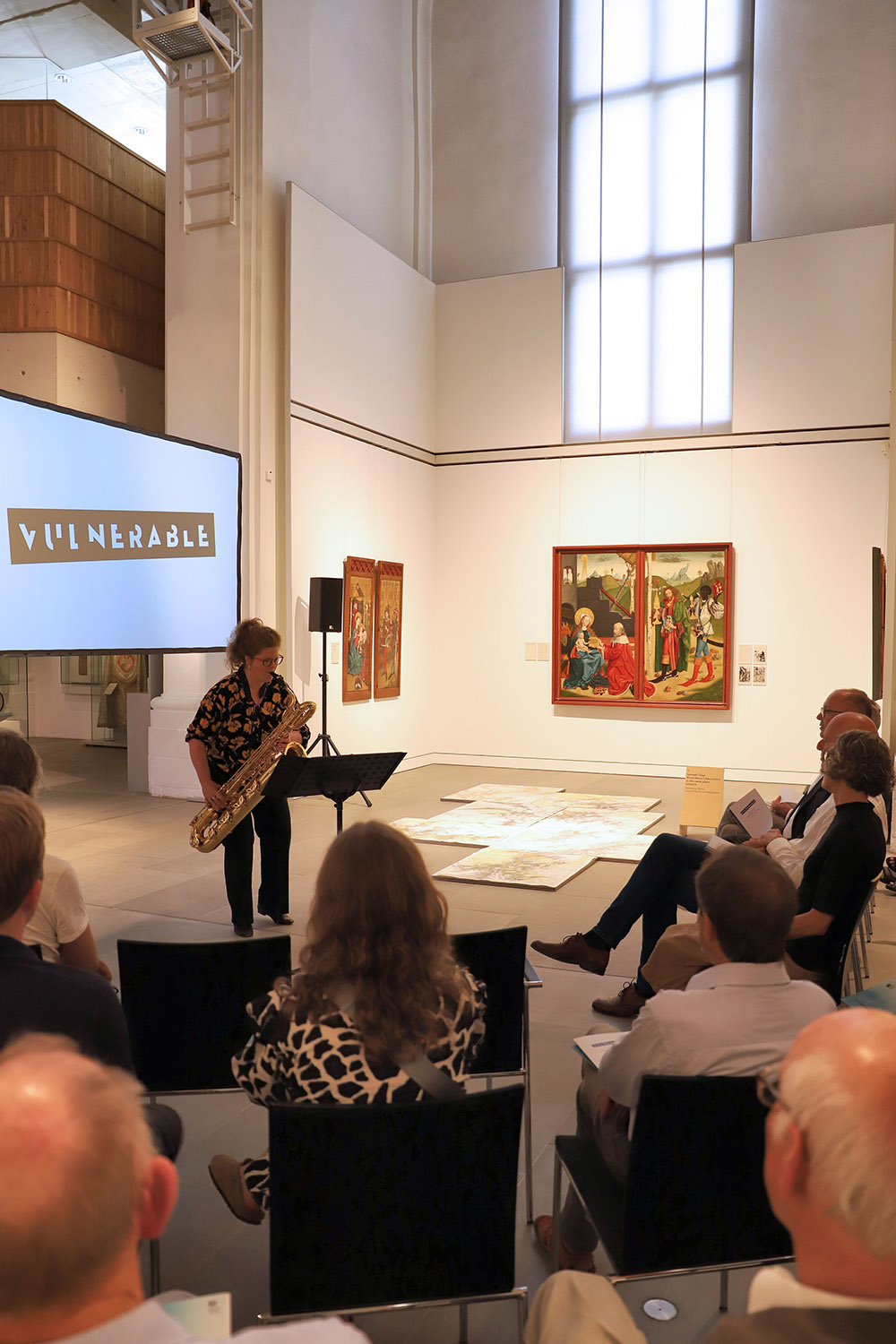
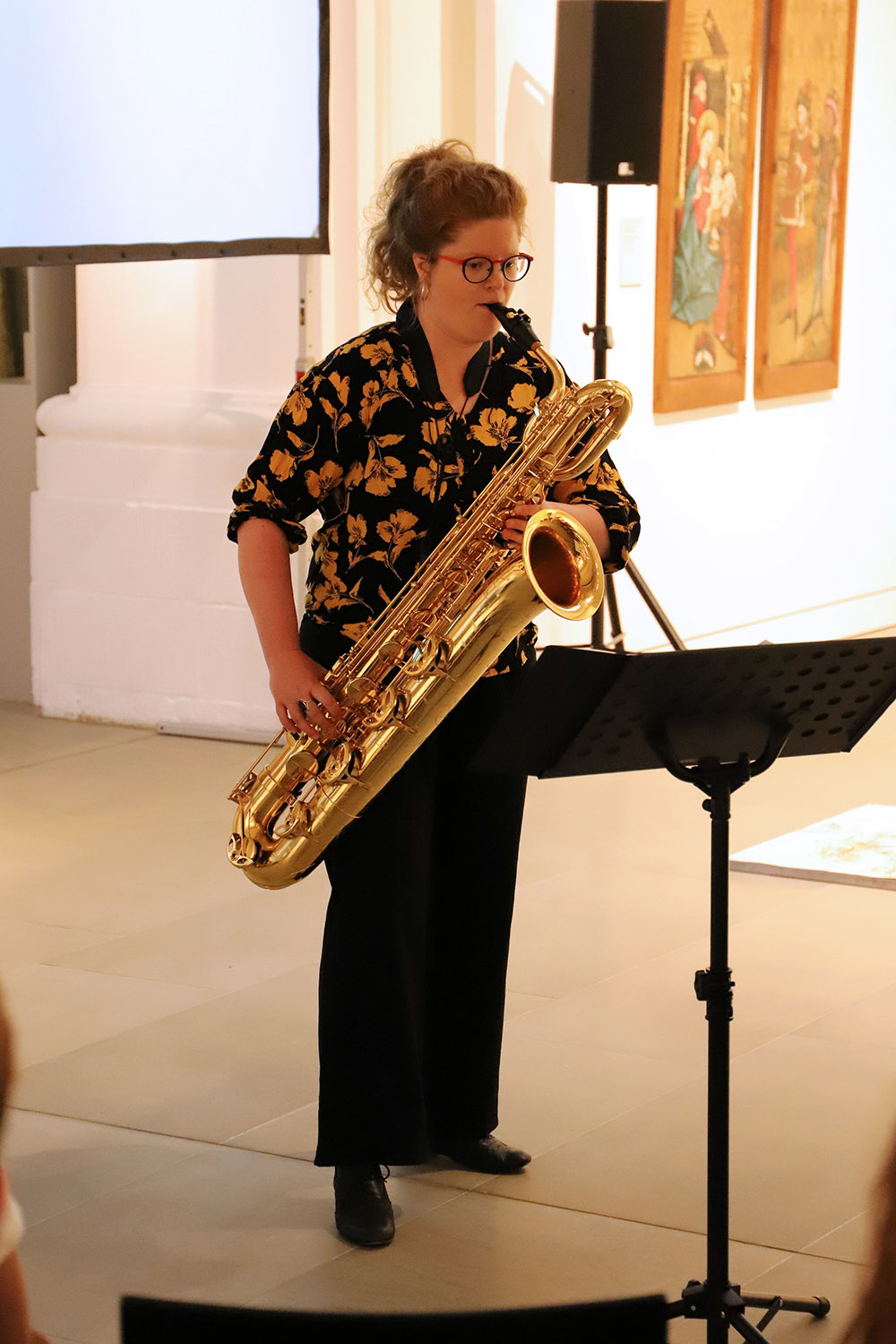
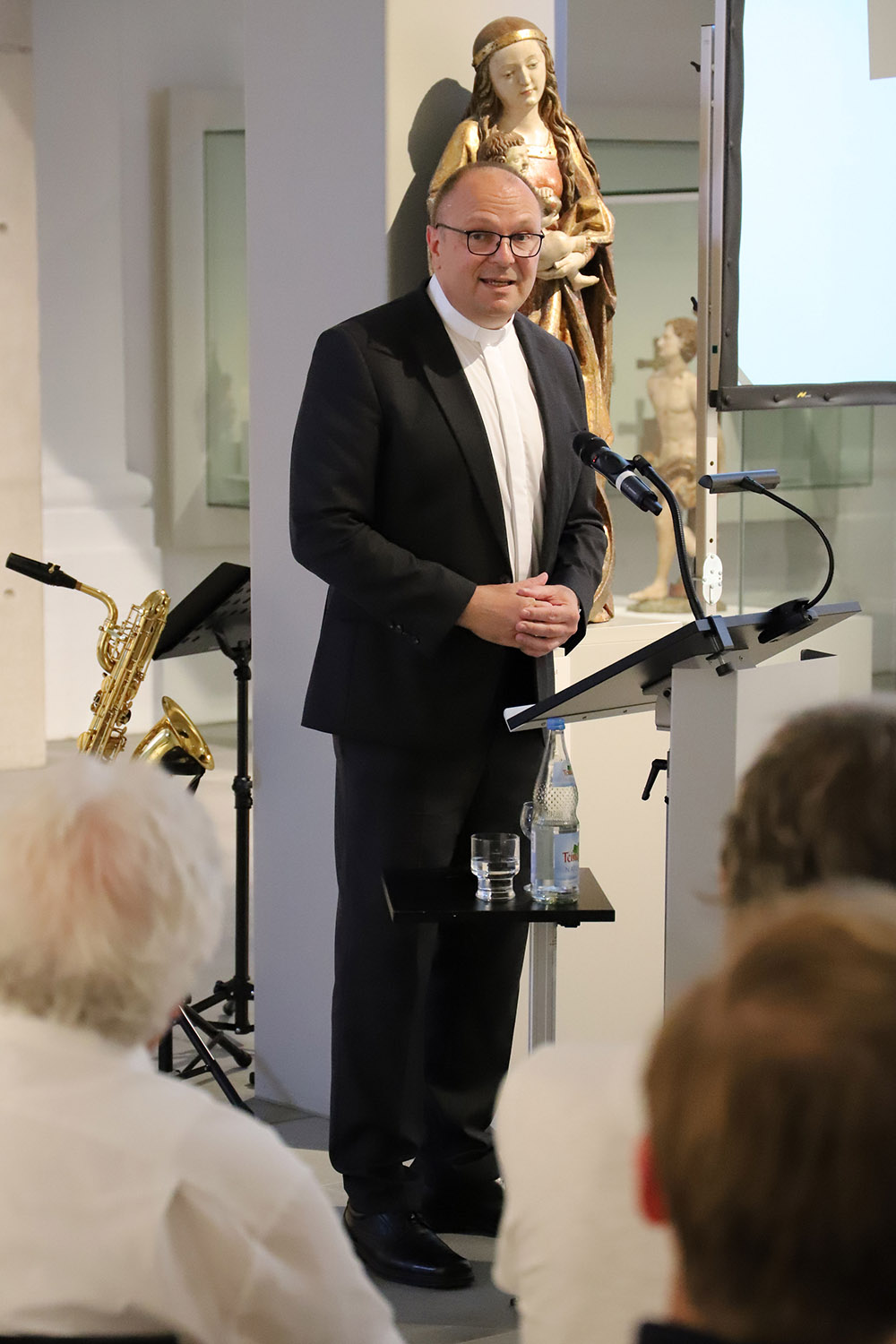
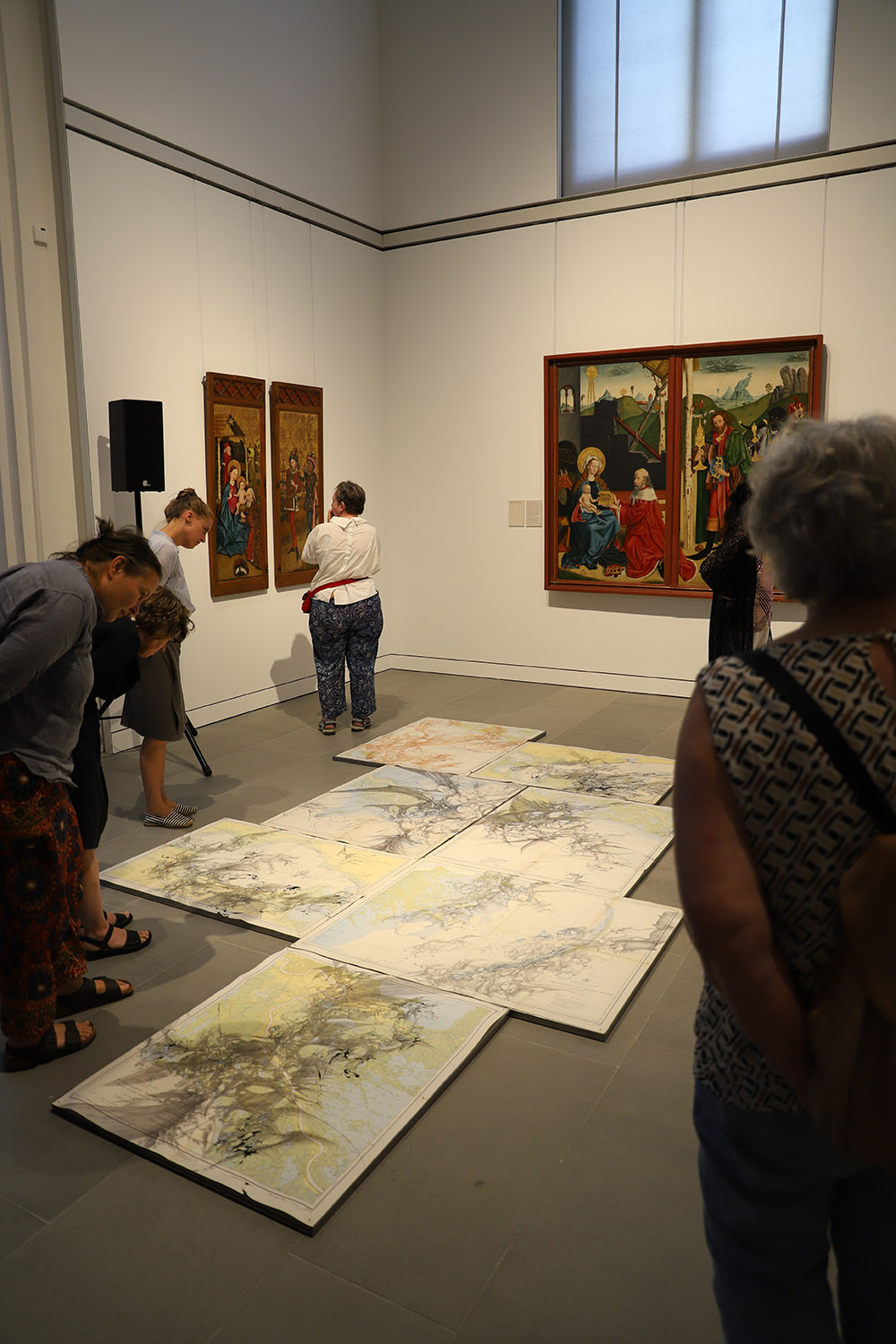
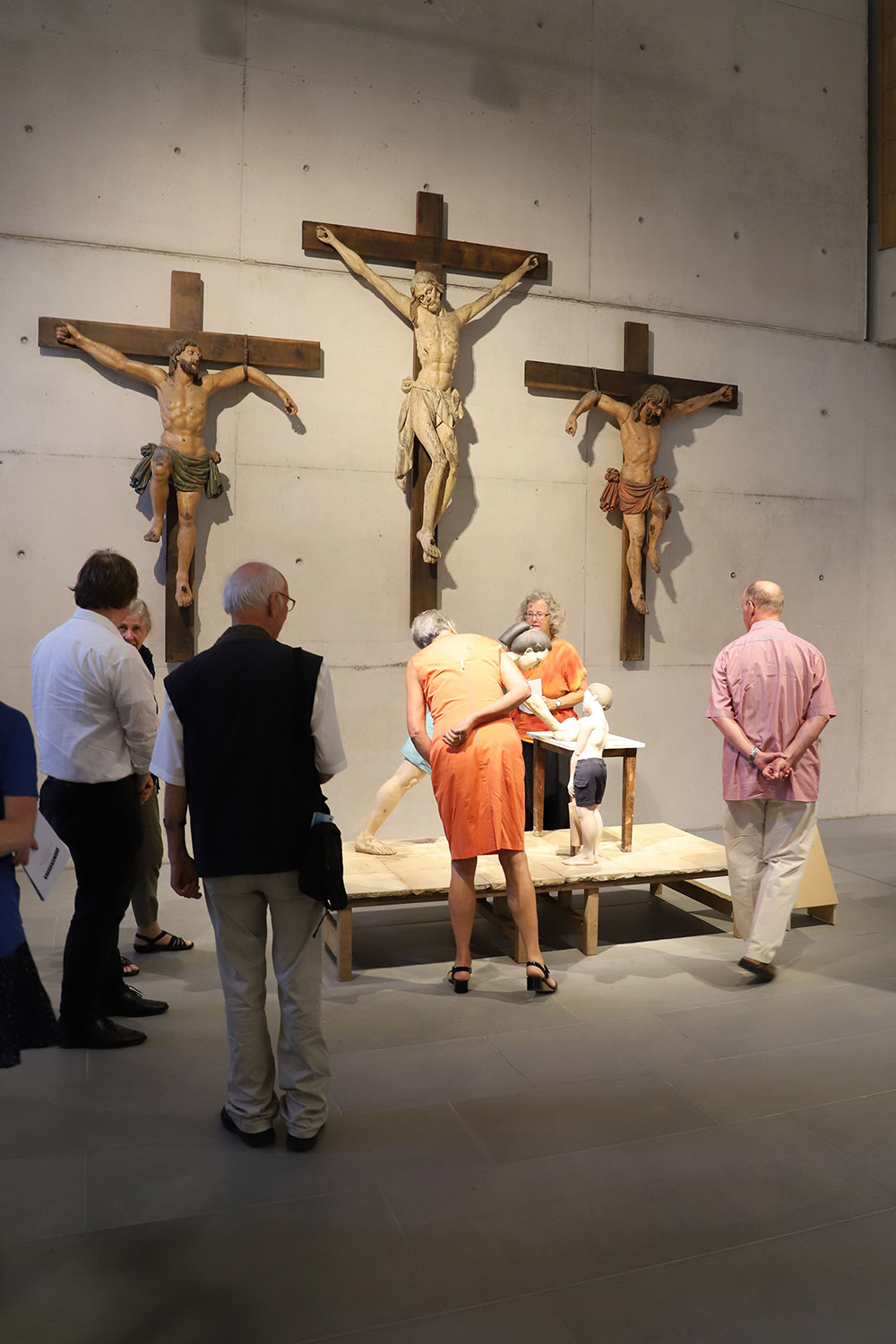
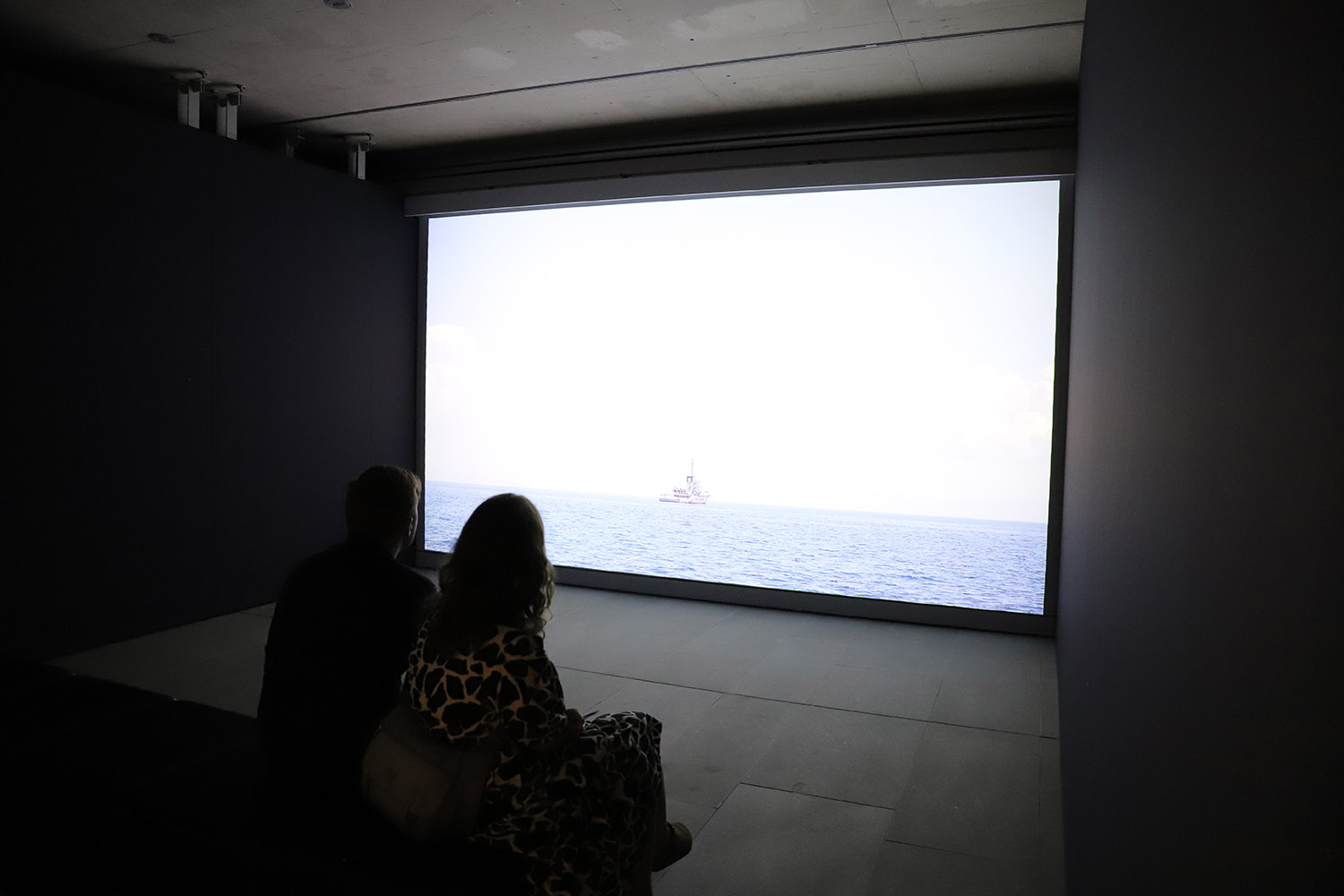
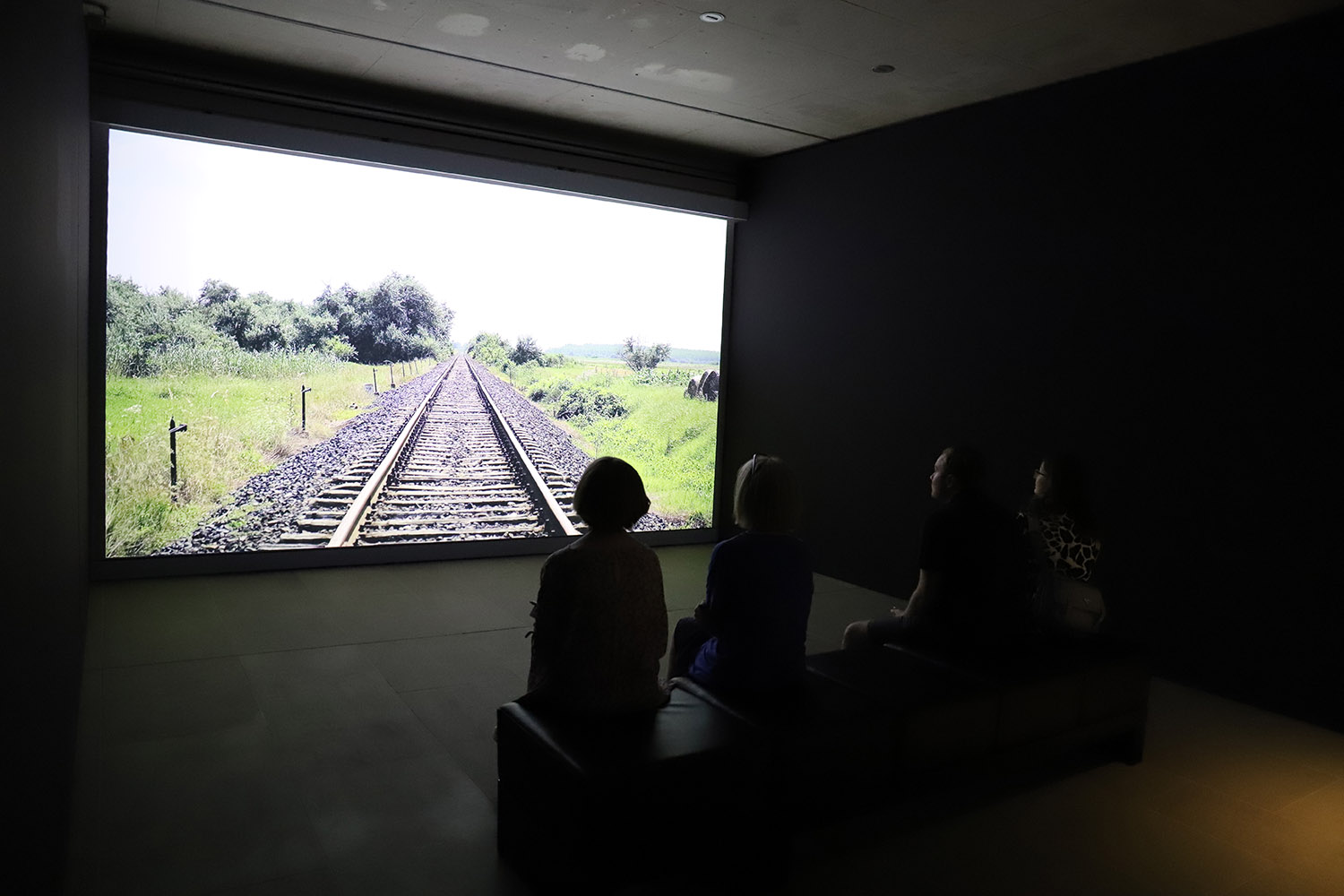
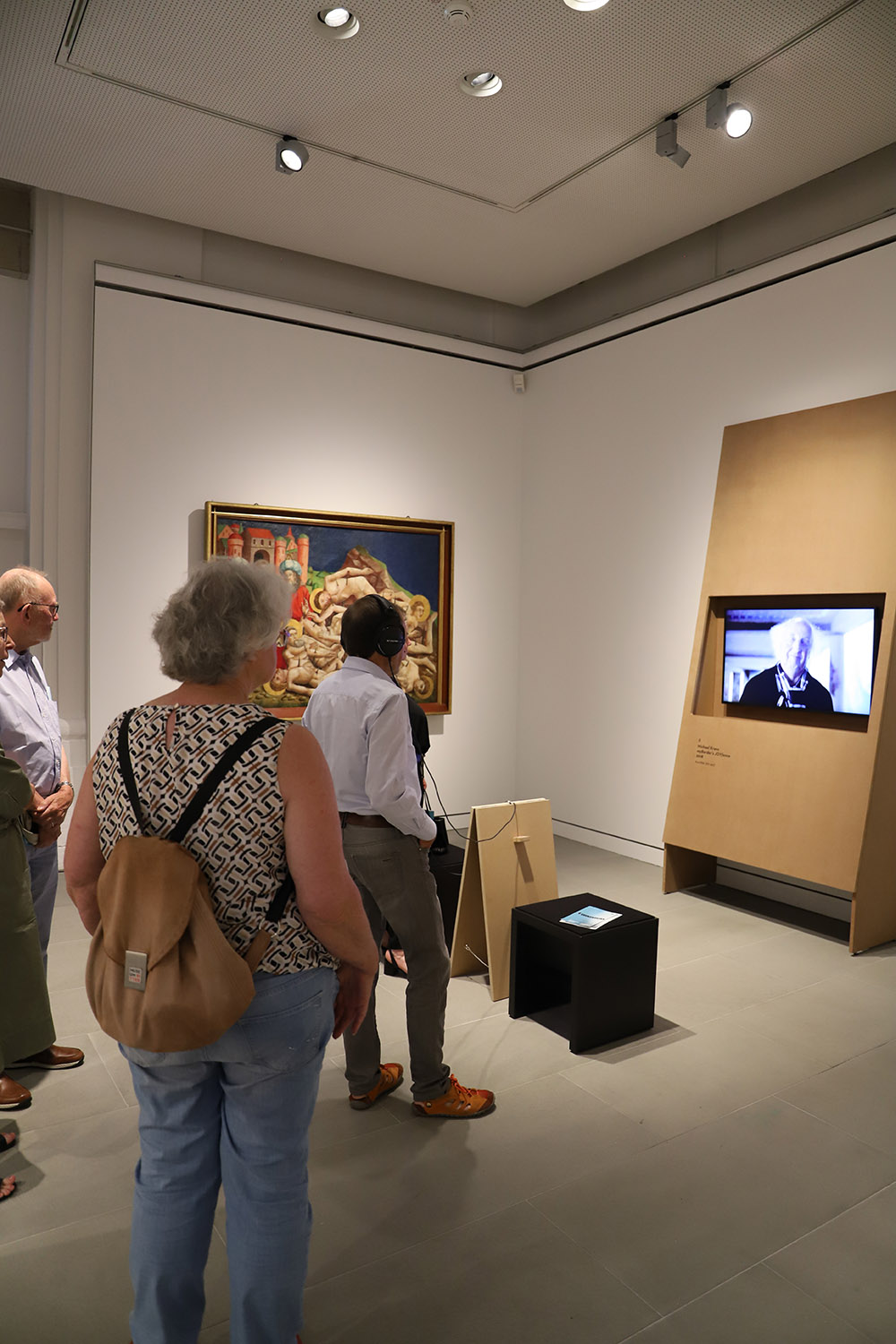
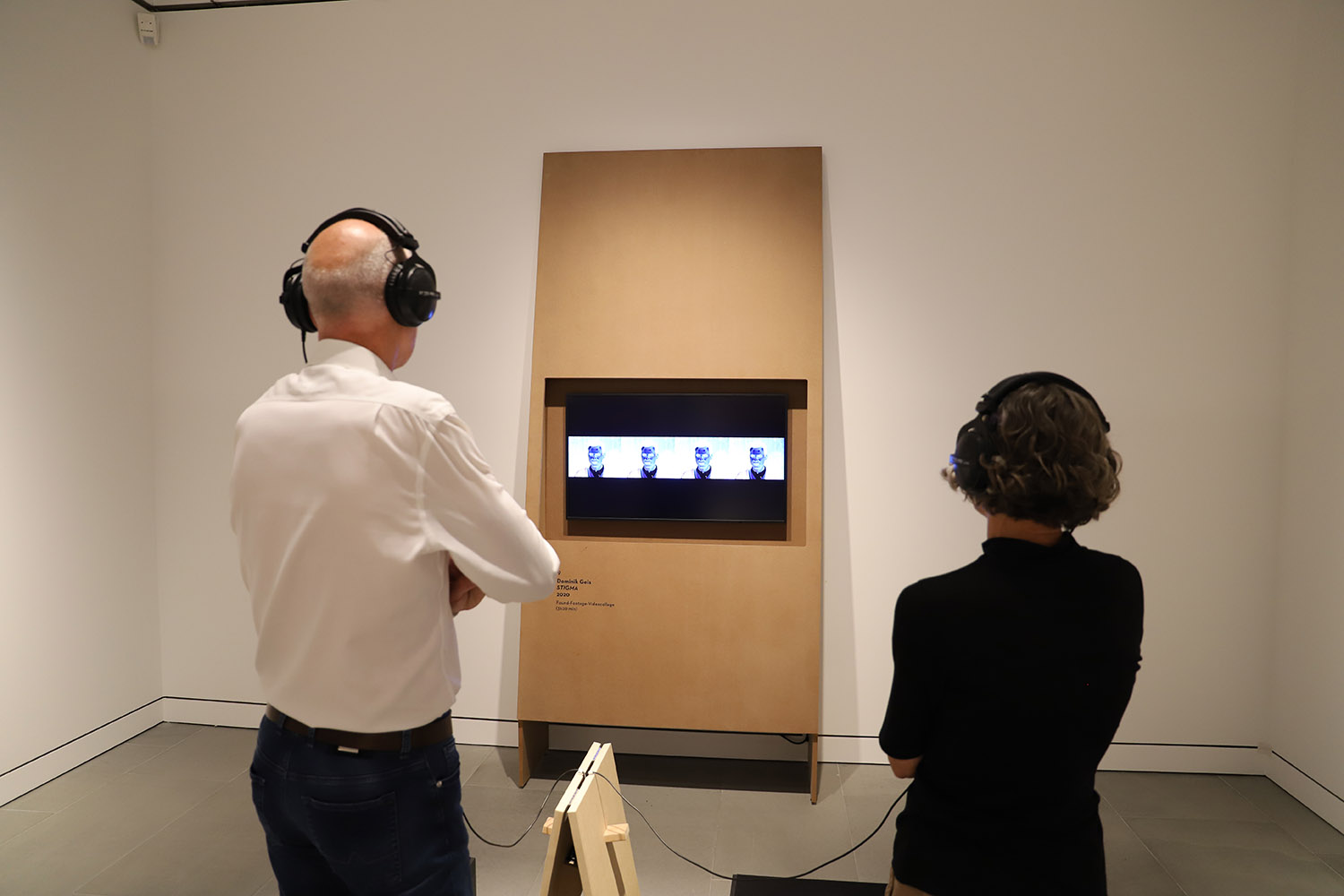
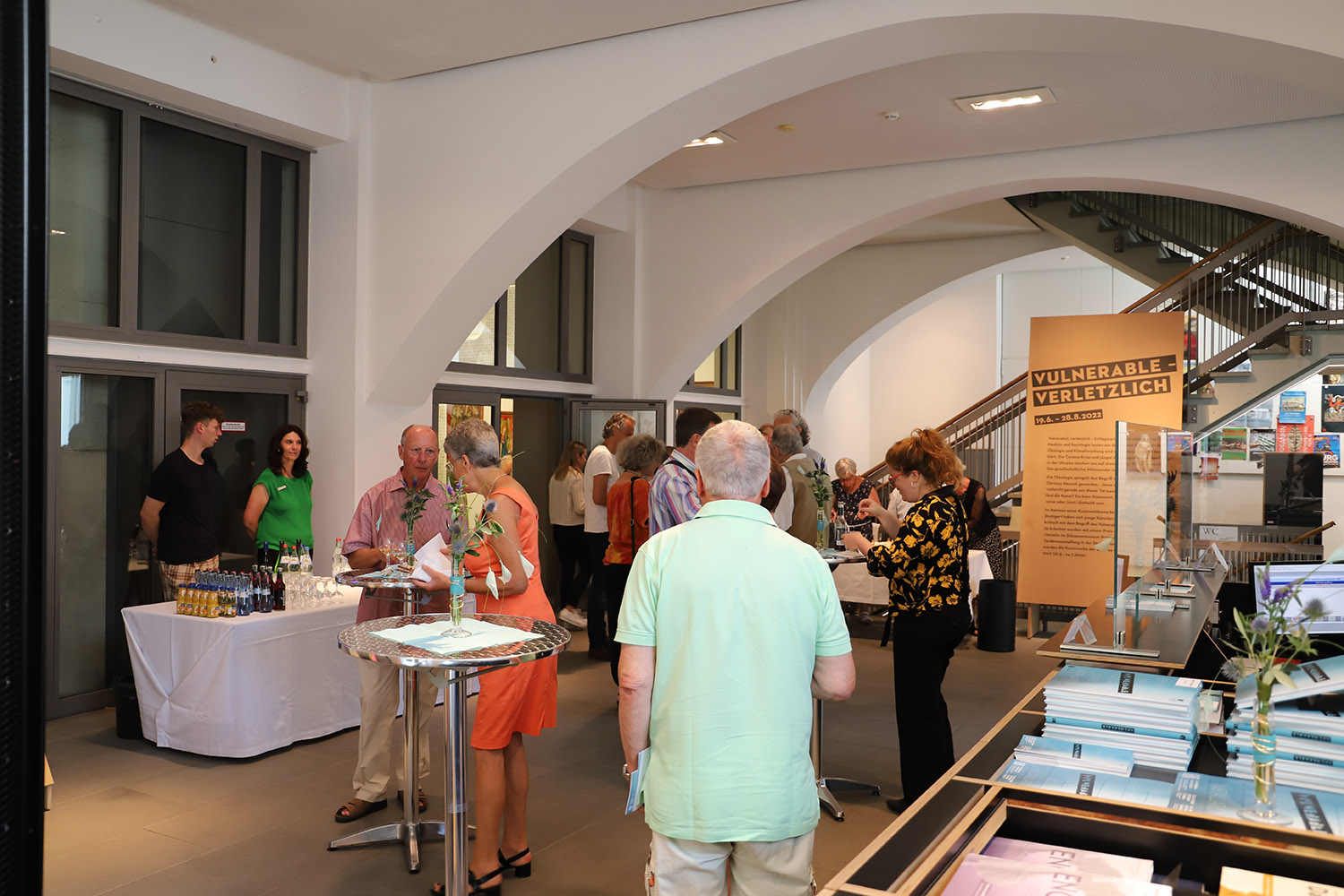
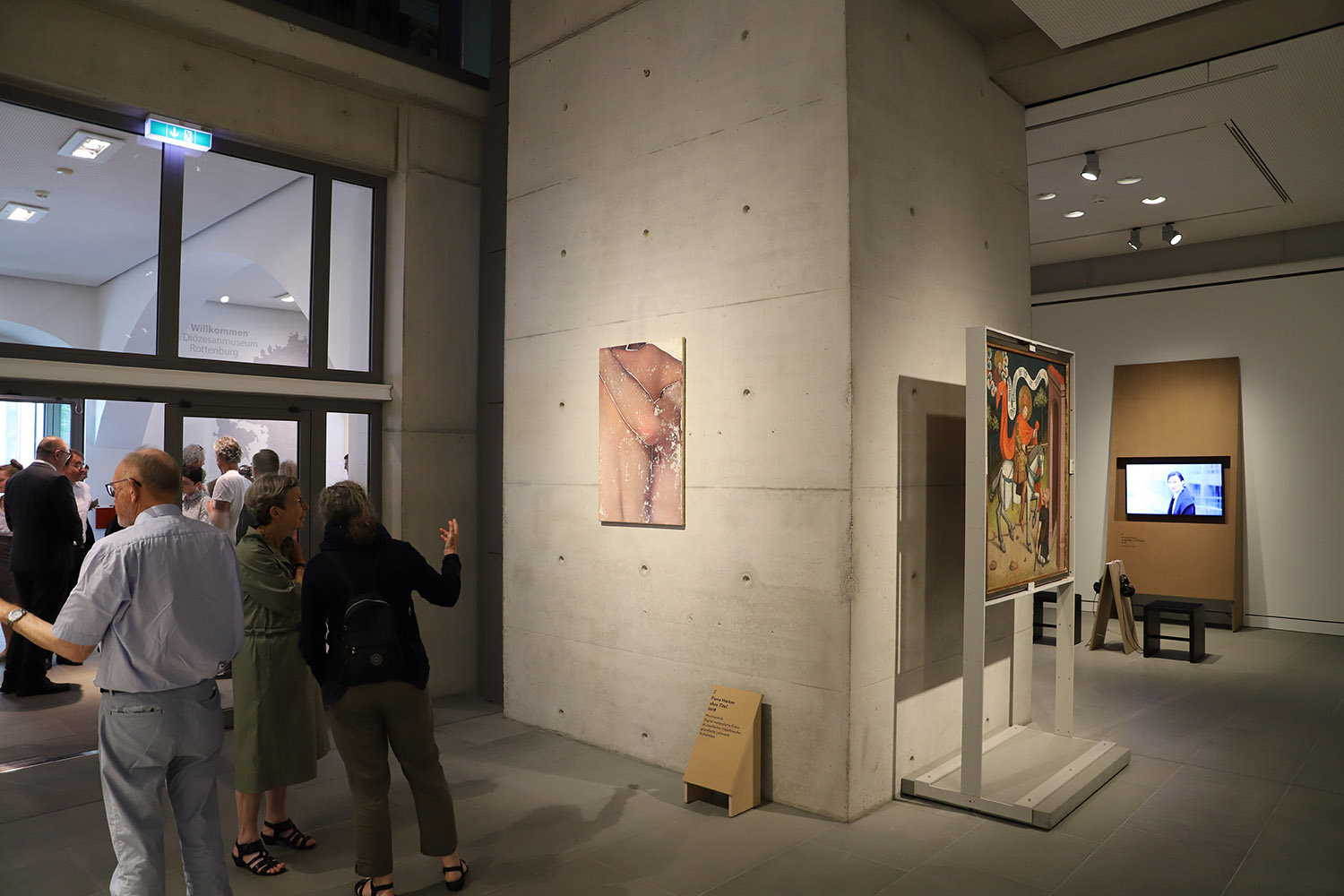
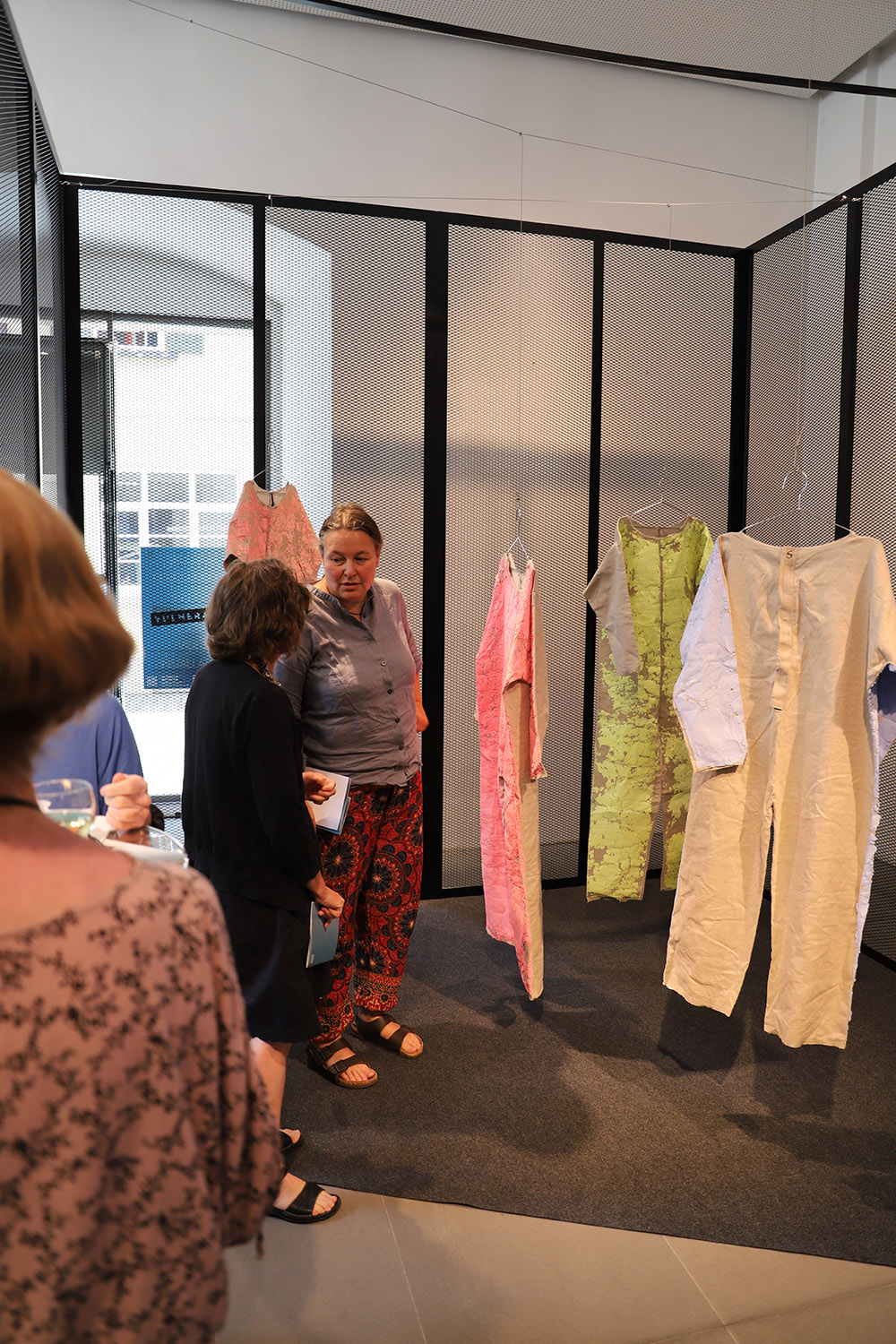
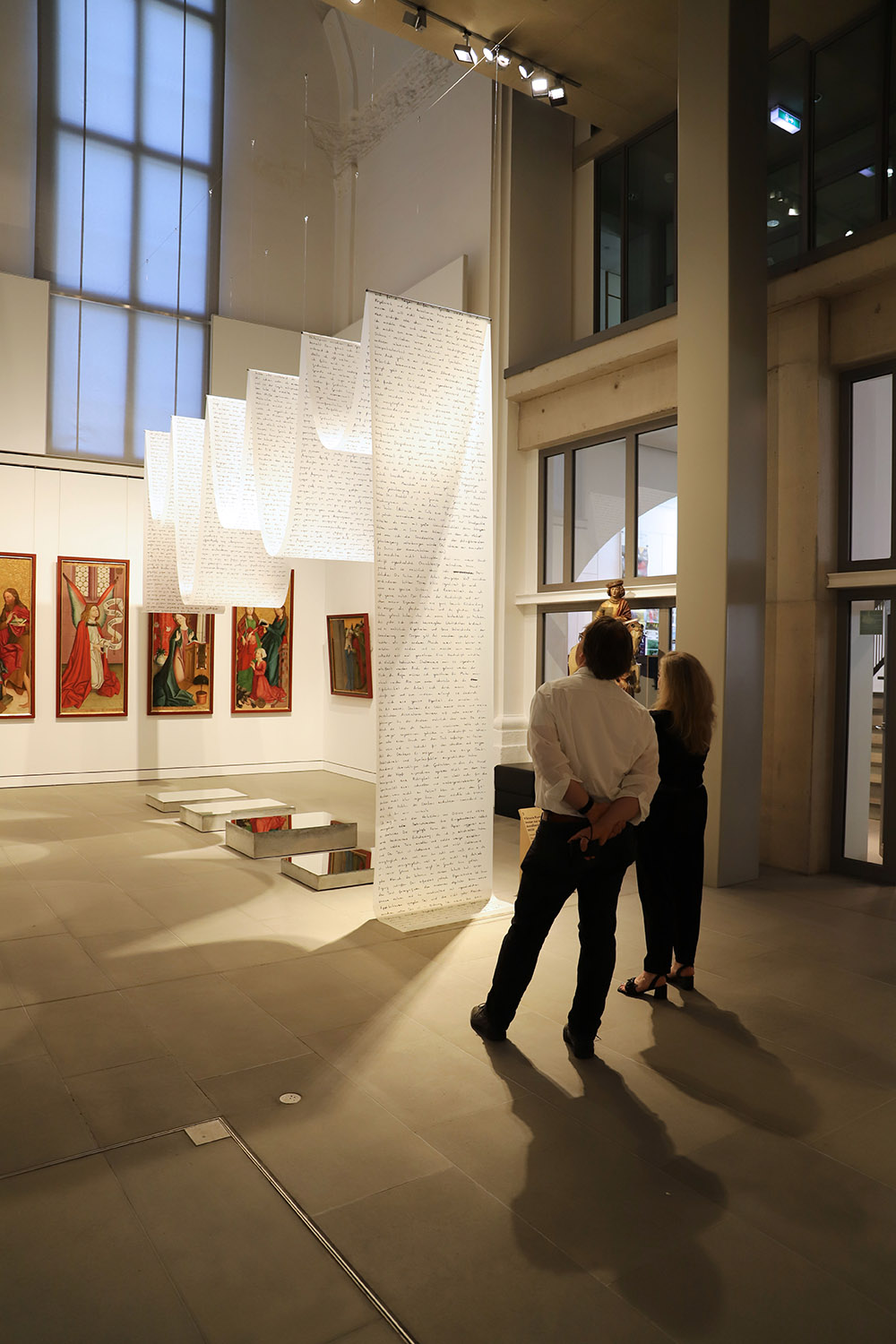
The special exhibition “Vulnerable” goes into the next round: last Sunday, 19.06, after St. Mary’s, now the second part of the exhibition was ceremoniously opened in the Diocesan Museum! After a varied programme – with musical accompaniment by Anna Ohlmann – the guests were able to get a first impression of the winning entries of the art competition (including the three main prize winners). The team of the Diocesan Museum would like to thank everyone for the lively interest and the stimulating exchange!

The other view: What lies behind things in medieval paintings
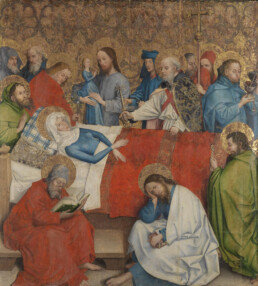
Porridge, toilet brush, post horn? What's behind the things in medieval paintings.
In the guided tour series The Other View, Kunsthalle curators and art educators, together with representatives of a particular field, take a look at a work of art and open up unusual perspectives.
Whether it is fortifying food for a freshly baked mother or the most precious gift wrappings for the hoped-for saviour – medieval paintings are full of objects and gestures that often seem strange to us today.
Together, Dr Iris Dostal-Melchinger, Art Inventory Diocesan Museum Rottenburg, and Dr Tamara Engert, Staatliche Kunsthalle Karlsruhe, devote themselves to the stories behind these objects and actions. Deciphering functions in the painted private, but above all ecclesiastical space of the 15th century.
Please register by email to info@kunsthalle-karlsruhe.de.
Date: 23 November 2022, 6:00-19:00 p.m.
Venue: Staatliche Kunsthalle Karlsruhe, Hermann-Veit-Strasse 6, 76135 Karlsruhe, Germany
With: Dr. Iris Dostal-Melchinger, Art Inventory Diocesan Museum Rottenburg, in conversation with Dr. Tamara Engert, Art Education Kunsthalle
Price: free of charge
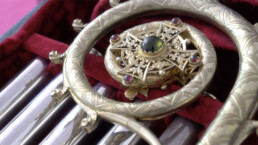
Joannes Baptista Sproll and his crosier
Joannes Baptista Sproll becomes Bishop of the Diocese of Rottenburg in 1927. In the first photos, he had himself photographed with the crosier of his predecessor Paul Wilhelm Keppler. Since it was customary in earlier times to take over the staff of one’s predecessor, it was long thought that Sproll did not have one of his own. But how could this be done during his time as auxiliary bishop? Did Bishop Keppler and Auxiliary Bishop Sproll agree at the weekend who could use the baton and when? Inconceivable, says diocesan archivist Dr Herbert Aderbauer and sets out to find out.