Nazarener Kunst
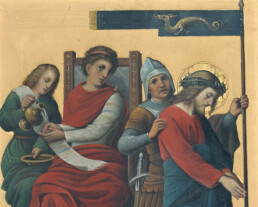
In den Kirchen der Diözese Rottenburg-Stuttgart befinden sich eine Vielzahl von Gemälde und Skulpturen, die durch ihren romantischen Stil hervorstechen. Der Kunsthistoriker Sebastian Eckert aus der Fachstelle Kunstinventarisierung beleuchtet am Samstag, 6. April, um 15 Uhr Beweggründe und Ziele, Formensprache und kulturhistorische Brisanz der Künstlerbewegung der Nazarener.
Titelbild: Kreuzwegstation nach Johann Klein, spätes. 19. Jh (Ausschnitt)


Schimmernde Tempel. Klösterliche Schatzkunst im Südwesten
Die Diözesankonservatorin und Leiterin des Diözesanmuseums Dr. Melanie Prange stellt in ihrem Vortrag »Schimmernde Tempel. Klösterliche Schatzkunst des Mittelalters im Südwesten« die Klosterschätze der Abteien Zwiefalten und Reichenau vor. Diese sind zentrale Beispiele für die mittelalterliche Schatzkunst in Südwestdeutschland.
In der Chronik des Mönchs Berthold (1137/38) wird die Kirche des Benediktinerklosters Zwiefalten als schimmernder Tempel bezeichnet. Es werden goldene Kronen, silberne, kristallene und elfenbeinerne Gefäße, Edelsteine und seidene Wandbehänge beschrieben. Mit ihrem reichen Schmuck vergegenwärtigte die Klosterkirche von Zwiefalten den Tempel des Himmlischen Jerusalems. Als himmlischer Abglanz machten die kostbaren Gefäße das sinnlich greifbar, was nicht greifbar ist: die Wirkmacht Gottes und der Heiligen.
Im Jahr der großen Landesausstellung »Welterbe des Mittelalters. 1300 Jahre Klosterinsel Reichenau« nimmt der Vortrag über die Schatzkunst eine Kunstgattung in den Blick, die für die Ausgestaltung der Liturgie, den Glaubenshorizont und das Selbstverständnis der Abteien grundlegend war. Vor dem Hintergrund eines über Jahrhunderte gesammelten Wissens entstanden in den Klöstern Objekte von herausragender Kunstfertigkeit und theologischer Aussagekraft, die bis heute staunen lassen.
Der Vortrag findet im Rahmen der 71. Jahrestagung der Kommission für geschichtliche Landeskunde in Baden-Württemberg statt.
Termin: Donnerstag, 27. Juni 2024 um 20 Uhr
Ort: Rottenburger Festhalle
Eintritt frei.


Vergoldungsworkshop für Familien
Im Rahmen der Erlebniswoche KLOSTERLEBEN (16.06.-23.06.2024) widmet sich das Diözesanmuseum der reichen Rottenburger Klostertradition. Gewänder und Heiligenscheine von Figuren bekamen in den mittelalterlichen Klosterwerkstätten durch einen Überzug mit Blattgold den Glanz des Besonderen. In diesem Workshop zeigen wir, wie diese alte Technik funktioniert und vergolden unsere mitgebrachten Schätze.
Wer gerade kein Klosterwappen zur Hand hat, kann ein Lieblingsobjekt verzieren oder bekommt eine goldene Nase…
Mit Hans-Joachim Bleier (Feinschmied und Metallrestaurator, Rottenburg)
Für Kinder (ab 7 Jahre) und Familien
Bitte mitbringen: Ein kleines Objekt, das verschönert und vergoldet werden soll (z.B. eine Tasse), sowie ein kleines Vesper und etwas zu trinken
An der Schwelle zur Renaissance
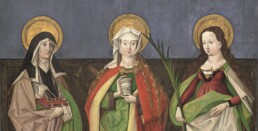
Mit Melanie Prange, Leiterin des Diözesanmuseums, begeben wir uns am Donnerstag, 18. April, um 15 Uhr auf einen Rundgang, der die künstlerischen Innovationen und die Veränderung der Bildsprache zwischen Spätmittelalter und Renaissance ins Blickfeld rückt. Unter den Highlights der Führung sind auch Gemälde des „Dürer-Schülers“ Hans Süß von Kulmbach (1482-1522) und des Augsburger Malers Thoman Burgkmair, Vater des Renaissance-Genies Hans Burgkmair (1473-1531) und selbst einer der führenden Meister des 16. Jahrhunderts.
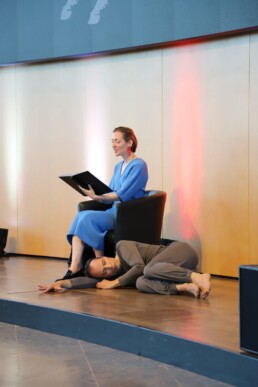
Creation Myths | Concert with Dance
On Sunday, 14 May at 5 pm, the Diözesanmuseum invites you to experience creation myths in text, word and dance. The creation myths of the great world religions as well as the creation texts from the Kabbalah, contemporary literature and the natural sciences tell of the beginnings of human life. The life dancer Felix Grützner transforms these texts into movement, accompanied on the piano by Patrick Bebelaar. The linguistic framework is provided by the spoken word artist Jule Hölzgen (Academy for the Spoken Word https://gesprochenes-wort.de/ ).
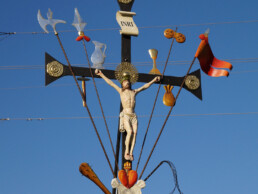
Holiday programme for children
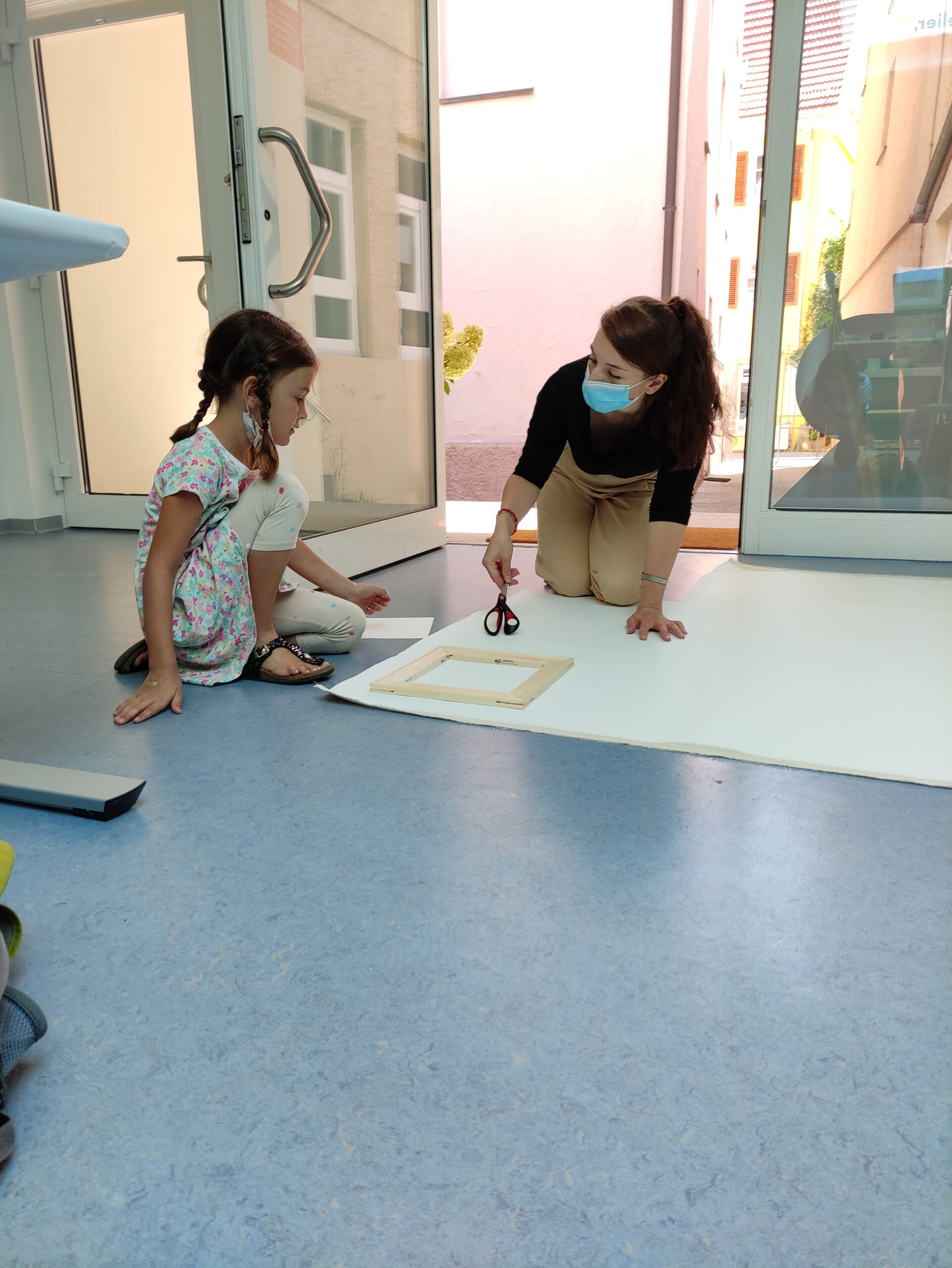
As part of the holiday programme of the city of Rottenburg, we were finally able to inaugurate our art alley on the first Saturday of the holiday! Christine Bozler-Kießling went on a quest with the children to find out how pictures were created in the Middle Ages. Then the children created their own canvas frames and painted a picture using ancient techniques.
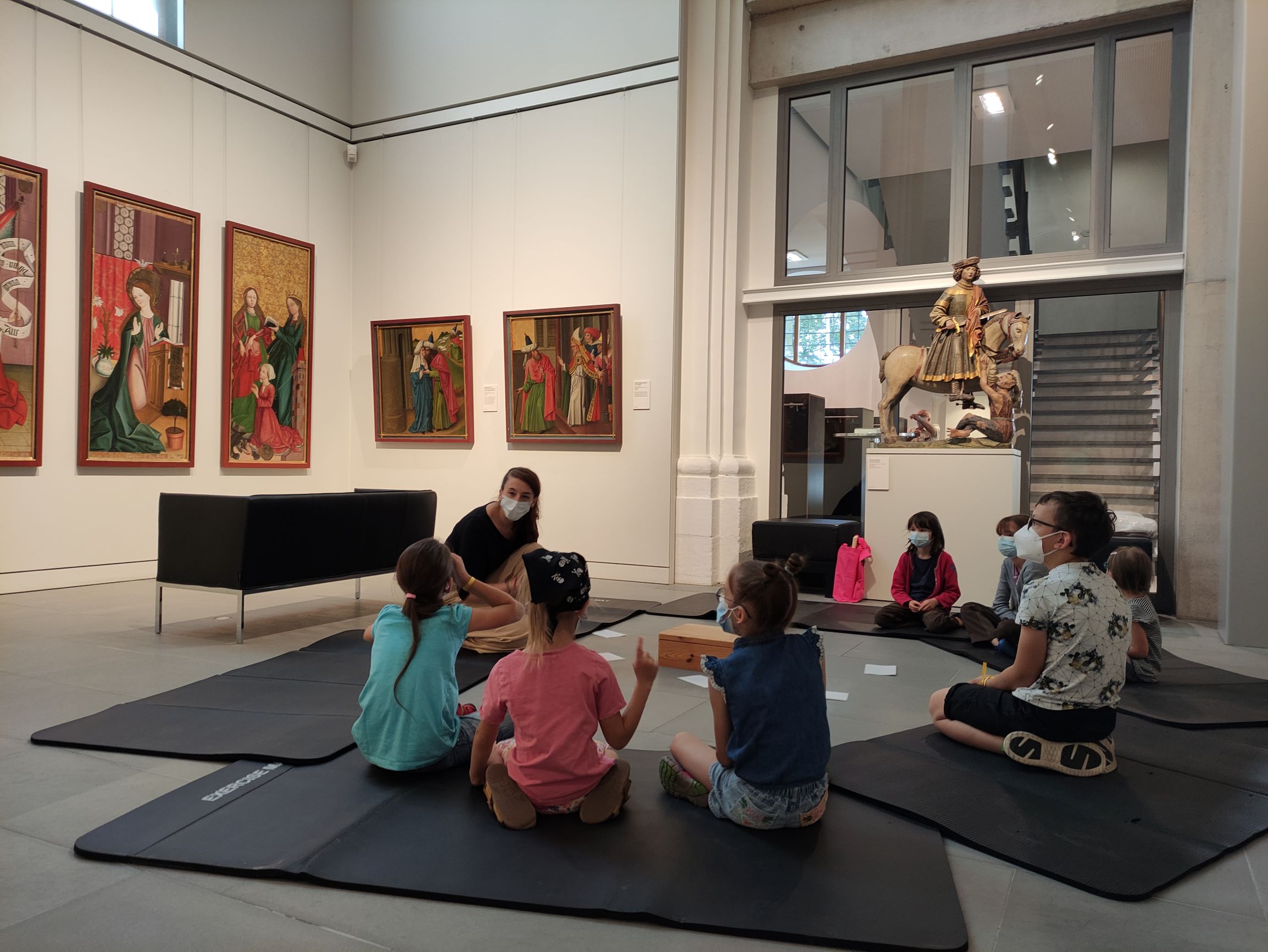


Exhibition "adoratio - The Black King at the Crib"
The Magi – the theme is omnipresent in Christian art, in popular nativity scenes and in the tradition of the carol singers. The “Adoration of the Magi” is one of the most popular pictorial themes in Christian art. The Bible speaks of astrologers from the East, so they have been depicted as wise men with Phrygian caps since the 4th century. From apocryphal writings, the interpretations of the Church Fathers and numerous legends, the idea developed that kings in all three ages were gathered in the Bethlehem stable. Since the late 10th century, there have been depictions of a mostly kneeling old man, a middle-aged man and a young man. Since the late Middle Ages, the latter has been painted with black skin, especially in German-speaking countries. The kings wear splendid courtly clothes and bring valuable gifts, of which the Bible already tells. The Diocesan Museum has several panels in its collection that show this pictorial tradition.
Today, however, the pictorial theme has become problematic. In the course of modern art history, the black king was often exoticised and became a projection surface for the foreign.
In this exhibition, the Diözesanmuseum Rottenburg explores the theme of the “Adoration of the Magi” on the basis of its own panels and also shows a modern interpretation by Otto Dix. The accompanying programme searches for historical interpretations and contemporary dialogue partners. The aim is to bring together the different perspectives and to bring them into conversation with each other.
Wanted: Supervisors Exhibition "Vulnerable"
The Diözesanmuseum Rottenburg, in cooperation with “St. Maria as…”, is organising an exhibition in the church of St. Maria, Stuttgart-Mitte, Tübinger Str. 36, following the Katholikentag. The works of the winners of the art competition “Vulnerable. Vulnerable” will be shown. For the exhibition period from
21 May to 24 July 2022
the museum is looking for several supervisors (m/f/d), preferably also students, to supervise the exhibition. The tasks include
Presence in the church room of St. Maria
welcoming visitors to the exhibition and handing out visitor booklets
Selling catalogues
Supervising the technical equipment (lighting, video installations)
To be covered by all supervisors are the periods:
Tuesday to Sunday, 10 am to 6 pm.
A contract for freelance work will be concluded. The hourly rate is 12 €. Please contact us for more information. If you are interested, also in working on certain days or half days, send an email with a short letter of motivation and a CV by 20.12.2022 to:
Dr. Daniela Blum
dblum@bo.drs.de
07472 922 305
Invitation to the Lecture "The Magi and the Order of the World in the Middle Ages"
The Wise Men from the East are an integral part of the Christmas story – over the centuries, the number of three was agreed upon and they were elevated to the status of ‘kings’. As such, they served, among other things, as symbolic figures for the world of the Middle Ages, which was divided into three continents, and as representatives of different human ages and regions of origin.
The lecture will shed light on the medieval legends surrounding the ‘three kings’ and explain what significance they had for medieval society.
Speaker: PD. Dr. Christoph Mauntel Tübingen
We ask for pre-registration, here on the homepage or by mail (museum@bo.drs.de).
Translated with www.DeepL.com/Translator (free version)